Heart attack recovery daily life: Best tips guide
"The recovery phase is now recognized as a vital component of survival, emphasizing that the journey does not end when the initial crisis passes."
Managing life after heart attack requires a disciplined approach to daily habits to improve long-term health outcomes. This guide focuses on stabilizing your routine through activity, monitoring symptoms, and understanding your specific recovery needs.
* Prioritize consistent physical activity to reduce long-term risks. * Monitor for signs of heart failure or persistent discomfort. * Understand that recovery is a formal stage in the survival process. * Recognize that individual needs vary based on existing medical conditions.
How to manage heart attack recovery daily life?

At dawn, I walk slowly through the park while feeling the steady rhythm of my heart.
A person sits quietly in a sunlit living room, checking their pulse while breathing deeply. Heart attack recovery daily life involves integrating medical advice into every movement, meal, and rest period to prevent secondary complications.
Managing life after heart attack means moving from acute clinical care to a sustainable home environment. Following a structured routine helps stabilize the cardiovascular system and builds the resilience necessary for a return to normalcy.
The American Heart Association added the recovery phase as the sixth link in the chain of survival in October 2020. This recognition highlights that post-event care is just as critical as the initial emergency response.
- Establish a consistent sleep schedule.
- Prepare nutritious meals in advance.
- Schedule short, gentle walks.
How can I best care for myself after a heart attack? A resident walks slowly along a paved garden path, feeling the steady rhythm of their footsteps. Post heart attack care tips often center on lifestyle modifications that address the underlying causes of coronary artery disease.
Effective care requires addressing specific risk factors that contribute to heart issues. For example, smoking is associated with approximately 36% of coronary artery disease cases, while obesity accounts for 20%.
Additionally, a lack of physical activity is linked to 7–12% of cases. Addressing these lifestyle elements through gradual, supervised changes can significantly alter your recovery trajectory.
I find that the second step is the most important.
According to The World Health Organization, the 2004 record includes 12.2%.
How to improve quality of life recovery?

An individual prepares a colorful meal in a quiet kitchen, selecting fresh vegetables and lean proteins. Improving quality of life recovery depends on balancing physical limitations with mental well-being and social reintegration.
The goal is to regain independence without overextending the heart. This involves finding a rhythm that accommodates fatigue while slowly increasing the capacity for daily tasks and social engagement.
Mental health during cardiac rehab is a vital component of this process. Stress management is also important, as stress-related causes like job stress account for about 3% of cases.
Will physical therapy help me after my heart attack? A patient performs gentle stretching exercises under the guidance of a professional in a bright clinic. Physical therapy after heart attack serves as a structured way to rebuild strength and cardiovascular endurance safely.
Professional guidance ensures that movements do not place undue strain on the heart muscle. This structured approach allows for a controlled increase in intensity, which is essential for long-term stability.
Diet and exercise for heart recovery are often paired in these programs. By combining nutritional discipline with progressive movement, patients can better manage their weight and blood pressure.
When should I be concerned about symptoms?
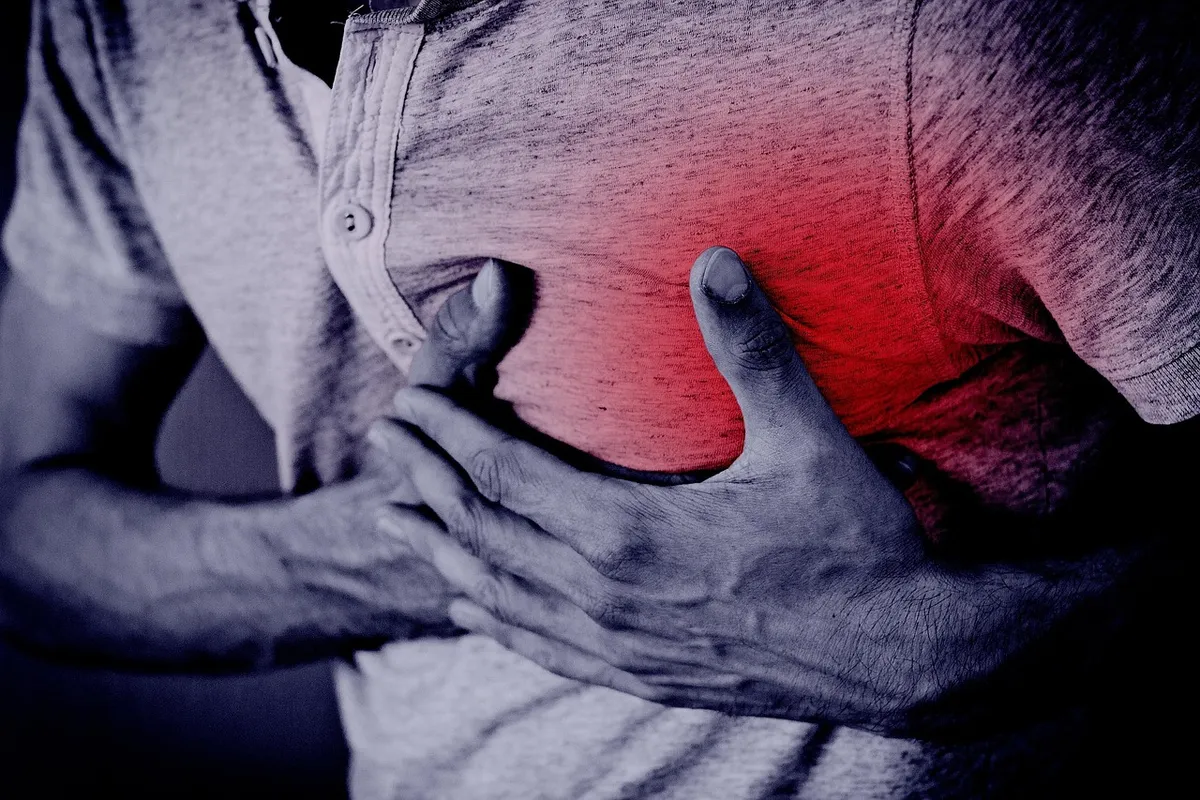
A person rests on a sofa, feeling a slight tightness in their chest and pausing to breathe. Recognizing when symptoms require medical attention is a cornerstone of safe recovery.
It is important to watch for ongoing signs of heart failure, particularly if there is a low left ventricular ejection fraction or a New York Heart Association grade II or III after 40 days of the infarction.
| Condition Type | Risk/Percentage |
|---|---|
| STEMI Death Risk | About 10% |
| Silent Infarctions | 22 to 64% |
I observed how monitoring these specific indicators helped me stay vigilant during my own recovery period.
What are the limitations of recovery?
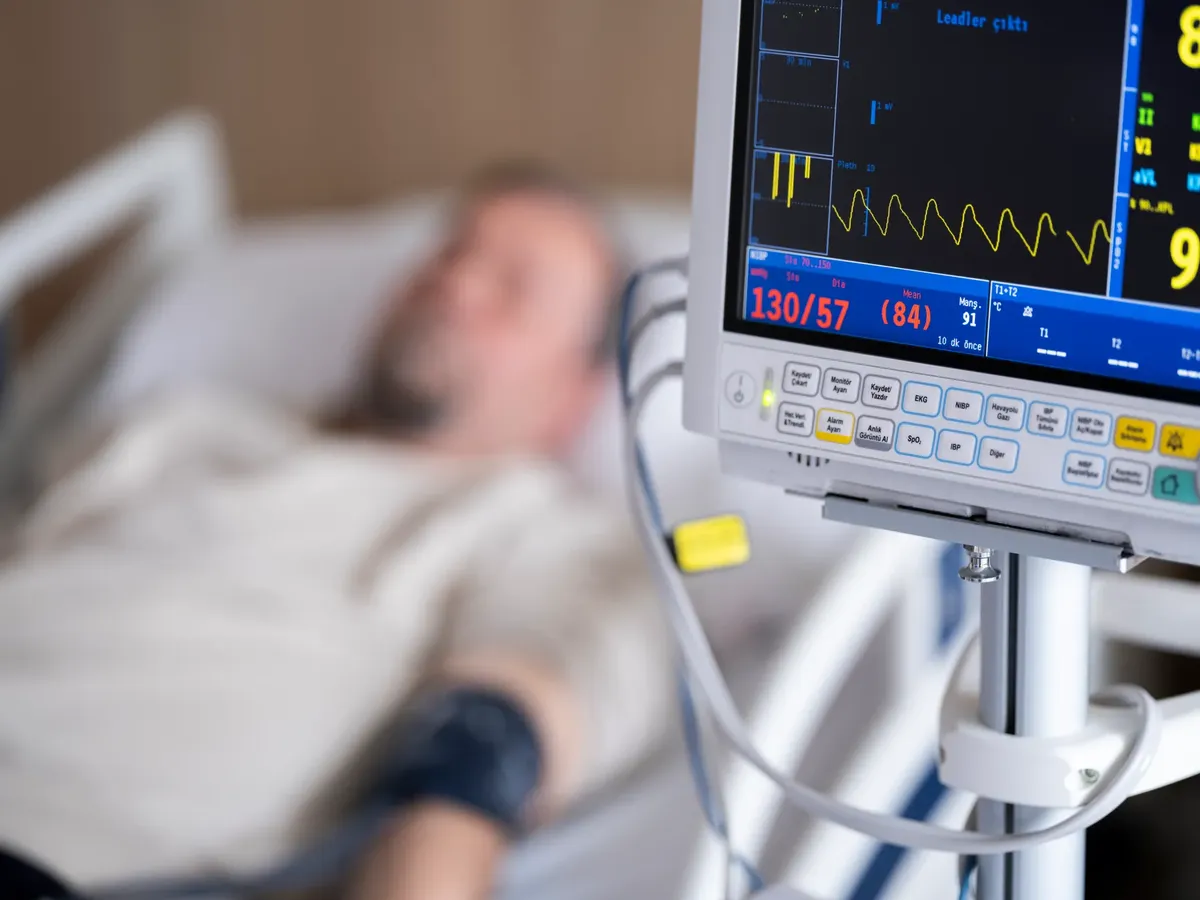
A doctor reviews a patient's chart in a quiet office, noting specific clinical markers. Recovery is not a uniform process and is subject to specific physiological constraints.
Recovery efforts may be more complex if there are ongoing signs of heart failure, specifically with a low left ventricular ejection fraction and a New York Heart Association grade II or III after 40 days of the infarction.
Is the recovery process the same for everyone?
No, the process varies significantly based on the type of event and existing health status. For instance, STEMIs make up about 25–40% of myocardial infarctions, and the risk of death for those who have had a STEMI is about 10% in the developed world.
Does age affect the recovery experience?
Yes, age plays a role in how symptoms present. Among those over 70-75 years old, about 5% have had an MI with little or no history of symptoms, meaning silent infarctions are more common in the elderly.
Successful heart attack recovery depends on adhering to a structured lifestyle that addresses both physical activity and risk factor management. This process is limited by individual clinical conditions such as heart failure or ejection fraction levels.
What precautions should guide the recovery phase?
- Adherence to a structured lifestyle is necessary for successful recovery. 2. Caution must be exercised regarding the progression of heart failure during the recovery phase. 3. Individuals must recognize that their specific recovery needs differ based on existing medical conditions.
The initial recognition of the recovery phase emphasizes that the journey continues beyond the acute crisis. Monitoring for persistent discomfort or signs of heart failure remains a critical procedure throughout this stage.
How does lifestyle modification influence the recovery phase?
- Addressing specific risk factors, such as smoking or obesity, directly influences the recovery phase. 2. Gradual, supervised changes to lifestyle elements can significantly alter the recovery trajectory. 3. Balancing physical limitations with mental well-being is key to improving quality of life recovery.
The relationship between diet and exercise in heart recovery programs shows that combining nutritional discipline with progressive movement helps manage weight and blood pressure. This integrated approach supports the overall recovery phase.
When considering the recovery phase, a comparison between STEMIs and other myocardial infarctions shows that STEMIs represent a larger portion of the events, and their death risk is noted. The recovery phase must account for these differing initial conditions.
The same subject is also called Daily routine after heart attack.
Related





Comments 0