Alcohol Abuse: 90% Fatty Liver Risk for Heavy Drinkers
"The liver is a silent worker, often hiding its struggle until the damage is far more advanced than we realize."
Cirrhosis is the advanced scarring of the liver that replaces healthy tissue with fibrous tissue, disrupting vital functions. Identifying whether your risk stems from alcohol consumption, metabolic issues, or underlying infections is the first step toward protecting your health.
Key Takeaways * Alcohol abuse is a primary driver of damage, with heavy drinkers facing a 90% risk of fatty liver and a 25% risk of alcoholic hepatitis. * Non-alcoholic fatty liver disease (NAFLD) is widespread, affecting 30% of Westerners and 10% of Asians [T11].
* Metabolic factors like obesity and metabolic syndrome drive 30% of cirrhosis cases, with 10% of U.S. children affected by MASLD [T2, T10]. * Prevention focuses on weight management, limiting alcohol, and utilizing early imaging for detection.
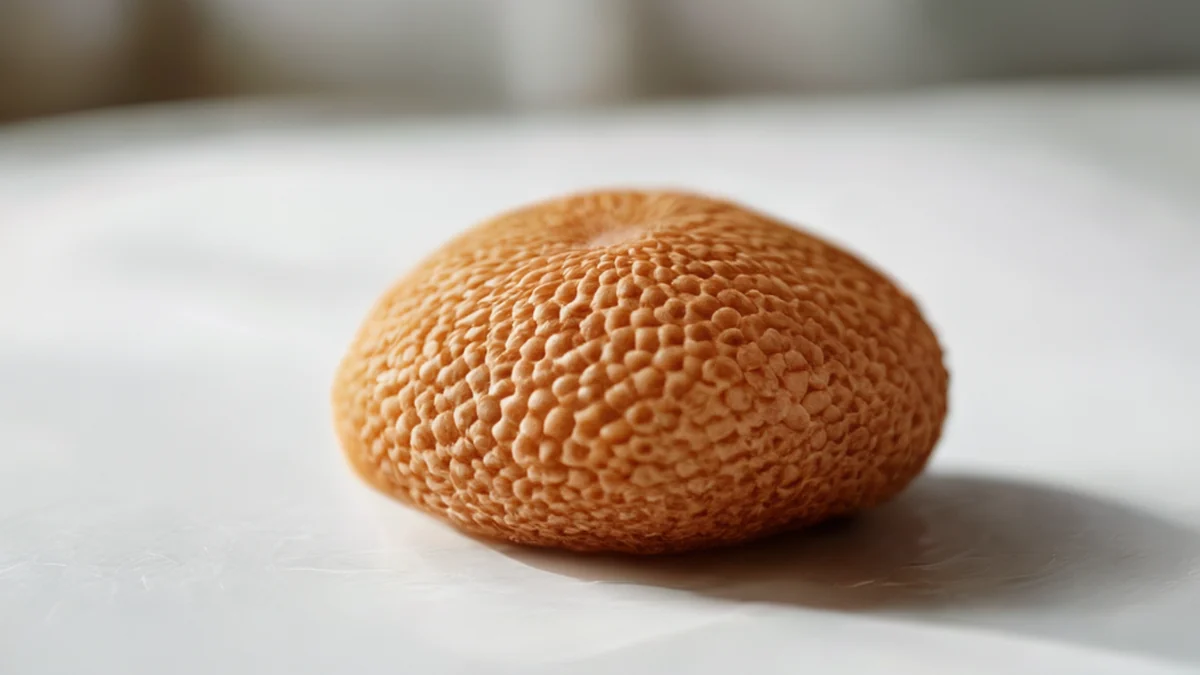
Why is alcohol such a massive risk factor?
At 11:00 PM, sitting at a dimly lit bar, you finish your third cocktail of the evening, unaware of the microscopic scarring occurring within your liver cells. This repetitive cycle of consumption is one of the most direct paths to permanent organ damage.
Gastroenterology & hepatology, cirrhosis was associated with 2.4% of global deaths in 2019.
Heavy drinking is a primary catalyst for liver deterioration. According to data, heavy drinkers face a 90% risk of developing fatty liver and a 25% risk of developing alcoholic hepatitis.
Among the various stages of damage, alcoholic hepatitis is noted as the highest-risk factor for progressing to full-scale cirrhosis.
The impact of alcohol is not limited to just one type of damage. Alcohol abuse is a significant factor in the rising rates of hepatocellular carcinoma (HCC) in Western countries, largely driven by the presence of steatosis, or fat accumulation in the liver.
But is alcohol the only thing silently changing your liver chemistry?

Is NAFLD a global epidemic hiding in plain sight?
In a quiet doctor's office in early 2025, a patient reviews an ultrasound report that shows an unusual amount of brightness in the liver area, signaling fat accumulation. This is often the first sign of a condition that progresses silently over many years.
According to the Journal of clinical and experimental hepatology, the incidence of HCC has been rising due to increasing rates of alcohol abuse and steatosis liver disease.
NAFLD has become a widespread health concern across different demographics. It is estimated to affect 30% of Westerners and 10% of Asians [T11]. The hallmark of this condition is steatosis, which is defined as fat making up more than 5% to 10% of the total liver weight.
While imaging is used for diagnosis, a fat volume of 30% is typically required for clear detection via standard imaging methods.
The progression of NAFLD carries serious long-term risks. Research indicates that HCC incidence among NAFLD patients is 0.44 per 1,000 person-years, with a range of 0.29 to 0.66.
Even if you don't drink, your metabolic health might be the real culprit.
How do obesity and metabolic syndrome drive damage?
A teenager struggles with a heavy backpack in a school hallway, feeling the physical strain of obesity that is often accompanied by internal metabolic changes. These changes are increasingly affecting younger populations in the United States.
According to Hepatology (Baltimore, Md.), the HCC incidence among NAFLD patients was 0.44 per 1,000 person-years in 2016.
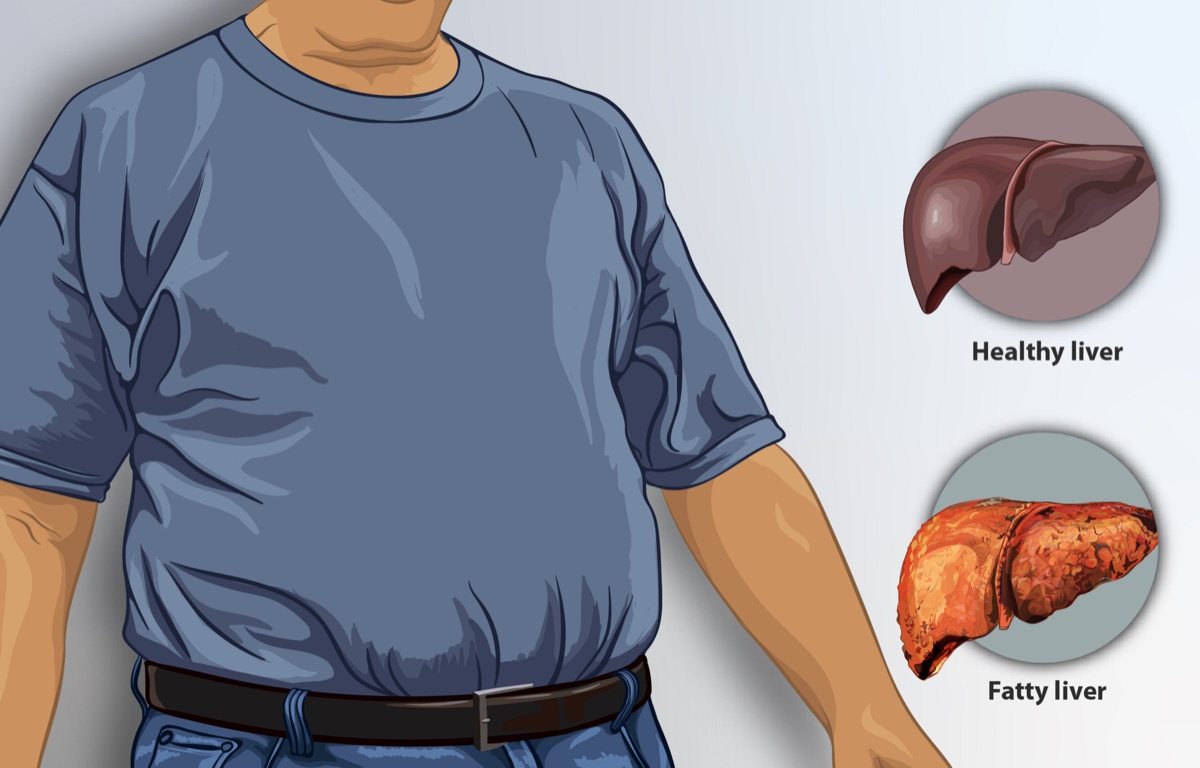
Metabolic issues are deeply intertwined with liver health. Approximately 30% of Westerners have Metabolic Dysfunction-Associated Steatotic Liver Disease (MASLD), and notably, 10% of children in the U.S. are affected by this condition [T2, T10].
The presence of fat in the liver is not just a symptom of weight gain but a driver of more severe disease.
Even in patients who have not yet reached the stage of cirrhosis, the risks are high. Obesity-linked steatosis is associated with a 45% HCC risk in patients with non-cirrhotic MASH (Metabolic Dysfunction-Associated Steatohepatitis).
However, there is a silver lining in surgical interventions; bariatric surgery has been shown to reverse MASLD in 90% of cases, which significantly improves survival rates [T10].
What other hidden threats should I watch for?
You feel a dull ache in your upper right abdomen after a long day of work in 2024, prompting you to wonder if your lifestyle or an underlying infection is to blame. While lifestyle is a major factor, biological and viral elements also play a role.
According to JAMA, steatosis, alcoholic hepatitis, and fibrosis are the three pathologic findings associated with progression to cirrhosis in 2021.
The complexity of liver disease is reflected in its global impact. In 2019, cirrhosis was associated with 2.4% of all global deaths. Beyond lifestyle, chronic infections such as Hepatitis B and Hepatitis C, as well as autoimmune hepatitis, serve as key non-alcoholic causes of liver damage.
Detecting these issues early is vital. Long-term elevation of liver enzymes is observed in 50% of steatosis cases, serving as a warning sign of early-stage damage.
Knowing these risks is one thing, but knowing how to act is another.
How can I take control of my liver health?
I remember sitting at my kitchen table last year, looking at a plate of processed food and realizing I needed a total overhaul of my habits to protect my internal organs. It wasn't about a quick fix, but a structured approach to daily living.
To protect your liver, follow this structured wellness checklist:
- Manage Calories: Aim to reduce your daily caloric intake by 750 to 1,000 kcal/day to improve steatosis levels.
- Control Weight: Prioritize managing obesity to reduce the risk of MASLD and subsequent cirrhosis [T2, T10].
- Limit Alcohol: Moderate or avoid alcohol consumption to prevent alcoholic hepatitis and scarring.
- Schedule Screenings: Use regular ultrasound or MRI appointments for the early detection of steatosis.
- Consult Specialists: If lifestyle changes aren't enough, discuss surgical options like bariatric surgery, which is highly effective for MASLD [T10].
| Factor | Impact on Liver Health | Primary Prevention Method |
|---|---|---|
| Alcohol | High risk of hepatitis and HCC | Moderation and abstinence |
| Obesity | Drives 30% of cirrhosis cases | Weight management and diet |
| NAFLD | Affects 30% of Westerners | Caloric reduction |
| Diabetes | Contributes to global mortality | Blood sugar regulation |
Note on Limitations: While lifestyle changes and certain surgeries can significantly improve liver health and reverse some forms of fatty liver, established cirrhosis involves permanent scarring that cannot be fully reversed.
These strategies are most effective during the early stages of liver damage.







Comments 0