Surgical Safety: Matching Procedures to Patient Needs
"Safety is not a fixed number; it is a moving target determined by the skill of the team, the precision of the tool, and the resilience of the patient."
Choosing a surgical path often feels like navigating a dark room without a flashlight. You know a decision must be made, but the difference between a "routine" procedure and a "major" one seems blurred by medical jargon.
To make an informed choice, you must understand that safety is relative to the specific procedure, your unique health profile, and the expertise of your surgical team.
Key Takeaways * Safety depends on the specific procedure, your underlying health, and the surgical team's skill. * Modern medicine is shifting toward minimally invasive techniques to shorten recovery.
* Pre-operative preparation and post-operative adherence are just as vital as the surgery itself. * The "safest" surgery is the one that most accurately matches your specific diagnosis and physiological needs.

How will my surgeon decide which procedure to use? The sterile scent of a hospital hallway often brings a sense of heavy anticipation. You sit in a waiting room, clutching a folder of lab results, wondering if a scalpel is truly the only way forward. According to the Archives of surgery (Chicago, Ill.
2008), the surgical work scenario has been reshaped by factors such as the 40-hour workweek and increasing quality demands.
The decision to undergo surgery is rarely about a single factor; it is a complex calculation of necessity and risk. Doctors first look at "indication matching," which means ensuring the specific stage of your disease justifies the intervention.
For example, a surgeon might recommend a procedure for acute bowel obstruction immediately, whereas obesity management might involve a longer discussion of elective options.
The scope of the intervention also dictates the approach. Some surgeries are purely diagnostic, meant to gather information, while others are curative or restorative, aiming to fix a structural problem.
Modern surgical landscapes have shifted significantly due to technical improvements. The rise of interventional and minimally invasive procedures has changed how both junior and senior staff members approach the operating room.
This evolution means that many procedures that once required large incisions are now handled with tiny cameras and specialized tools.
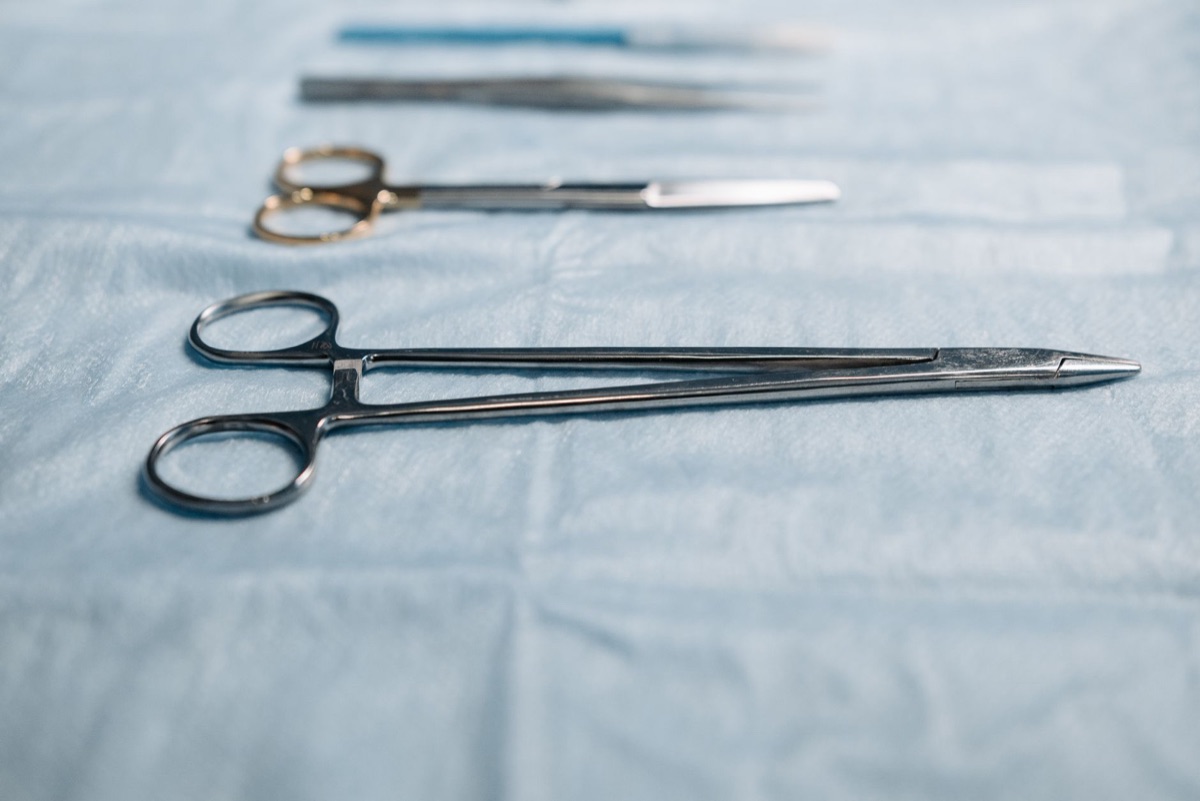
Should I choose open surgery or a minimally invasive one? A surgeon adjusts a bright overhead lamp, preparing to make a precise incision. The room is quiet, save for the rhythmic beep of a heart monitor. According to the European journal of obstetrics, gynecology, and reproductive biology, 2,152 non-vNOTES hysterectomies showed a fever rate of 3.2%.
Research published in the European journal of obstetrics, gynecology, and reproductive biology in 2025 noted that 3.2% of non-vNOTES hysterectomies resulted in fever.
Patients often face a choice between traditional "open" surgery and modern "minimally invasive" methods. Open surgery involves a larger incision to allow the surgeon a direct view and physical access to the organs.
While this is sometimes necessary for complex reconstructions, it generally involves a longer recovery.
Minimally invasive surgery (MIS), such as laparoscopic or robotic-assisted procedures, uses small incisions and specialized instruments. The primary goal of these methods is to reduce the "trauma" to the body.
| Feature | Open Surgery | Minimally Invasive (MIS) |
|---|---|---|
| Incision Size | Large | Small (often < 1cm) |
| Hospital Stay | Typically longer | Typically shorter |
| Post-op Pain | Generally higher | Generally lower |
| Recovery Speed | Slower | Faster |
| Visual Clarity | Direct sight | Camera-assisted magnification |
For instance, in certain gynecological procedures, the choice of approach can impact complications. In a study of 2,152 non-vNOTES hysterectomies, researchers noted specific rates of complications such as fever at 3.2%.
While all surgeries carry risks, the trend is moving toward methods that prioritize a faster return to daily life.
Understanding Surgical Risks and Safety Profiles
The heavy door of the surgical suite swings shut, leaving the patient in a controlled, quiet environment. The anesthesiologist begins the countdown, and the world fades into a deep sleep. As reported by Zhurnal nevrologii i psikhiatrii imeni S.S.
Kors in 2017, delayed cognitive impairment occurred in 36.4% of cases involving postoperative cerebral dysfunction.
Every surgery carries inherent risks common to the administration of anesthesia and the physical trauma of the procedure. These include infection, unexpected bleeding, or accidental injury to surrounding organs. However, complications can also be neurological or cognitive in nature.
Research has highlighted specific postoperative issues that patients and families should be aware of. For example, the frequency of different types of postoperative cerebral dysfunction varies significantly.
In one study, perioperative stroke occurred in 3.9% of cases, symptomatic delirium in the early postoperative period was seen in 14.3% of cases, and delayed cognitive impairment was noted in 36.4% of cases.
Safety is also a matter of team dynamics. The skill of the surgeon and the oversight provided by the medical team are fundamental. The surgical work scenario has been transformed by subspecialization and increased quality demands, which affects how care is delivered.

The Critical Role of Pre- and Post-Operative Care
You wake up in a recovery room, feeling a slight grogginess and the cool air of the ward. The nurse checks your vitals, ensuring your body is adjusting to the changes made during the operation.
The "surgery" is not just the time you spend on the operating table; it is a continuous process that begins weeks before and lasts months after. Pre-operative optimization is the process of making your body as strong as possible before the stress of surgery.
This might include managing blood sugar, quitting smoking, or optimizing nutrition.
Post-operative monitoring is equally critical. Vigilant observation is required to catch complications like infection or internal bleeding before they become emergencies.
The recovery trajectory is a long road. For many, especially those undergoing metabolic surgeries like bariatric procedures, the goal is long-term remission of conditions like Type 2 Diabetes.
While these surgeries show high efficacy in achieving metabolic remission, the journey requires lifelong lifestyle adjustments and medical follow-up.
To prepare for a successful recovery, follow these steps:
- Pre-Surgical Optimization: Work with your doctor to manage chronic conditions (like hypertension or diabetes) before the procedure. 2. Nutritional Loading: Follow specific dietary protocols to ensure your body has the protein and vitamins needed for tissue healing. 3. Physical Preparation: Engage in light exercise or physical therapy if recommended to improve circulation and lung capacity. 4. Post-Op Adherence: Strictly follow medication schedules and wound care instructions to prevent infection. 5. Lifestyle Integration: Commit to the long-term dietary and activity changes required to maintain the surgical results.
Factors Influencing Surgical Outcomes (Beyond the Knife)
A patient sits in a follow-up appointment, looking at a chart of their progress. They are thinking about how much their life has changed since the operation.
A study in the American journal of surgery from 2020 evaluated a 20% national sample of Medicare beneficiaries to identify surgeon characteristics related to opioid prescriptions.
While the surgeon's hands are vital, many factors influence whether a surgery is "successful." One such factor is the surgeon's broader clinical characteristics.
For example, research into Medicare beneficiaries has looked at how surgeon characteristics correlate with the amount of opioid medication prescribed during the first seven days after discharge. This suggests that the management of pain and medication is a key part of the surgical experience.
Patient-specific factors are also paramount. Age, weight, and the presence of comorbidities (other existing health conditions) play a massive role in how a body responds to trauma.
It is important to note that surgery is not a "magic bullet." While it can be highly effective for certain conditions, it is part of a broader management strategy. For some patients, maintaining the benefits of a procedure requires constant vigilance regarding diet, exercise, and medication. #







Comments 0