Causes of leg swelling and pain: 10 days Guide to heavy legs
"The sensation of heavy, swollen legs can transform a simple walk into an exhausting struggle against gravity."
Understanding the causes of leg swelling and pain requires looking at vascular pressure and physical activity levels. This guide explores why legs feel heavy, how to manage discomfort, and why sudden changes in appearance require medical attention.
* Increased venous pressure can lead to skin changes. * Sudden physical inactivity may impact lower extremity strength. * Severe symptoms like mottling require professional evaluation.
Why are my legs swollen and heavy?
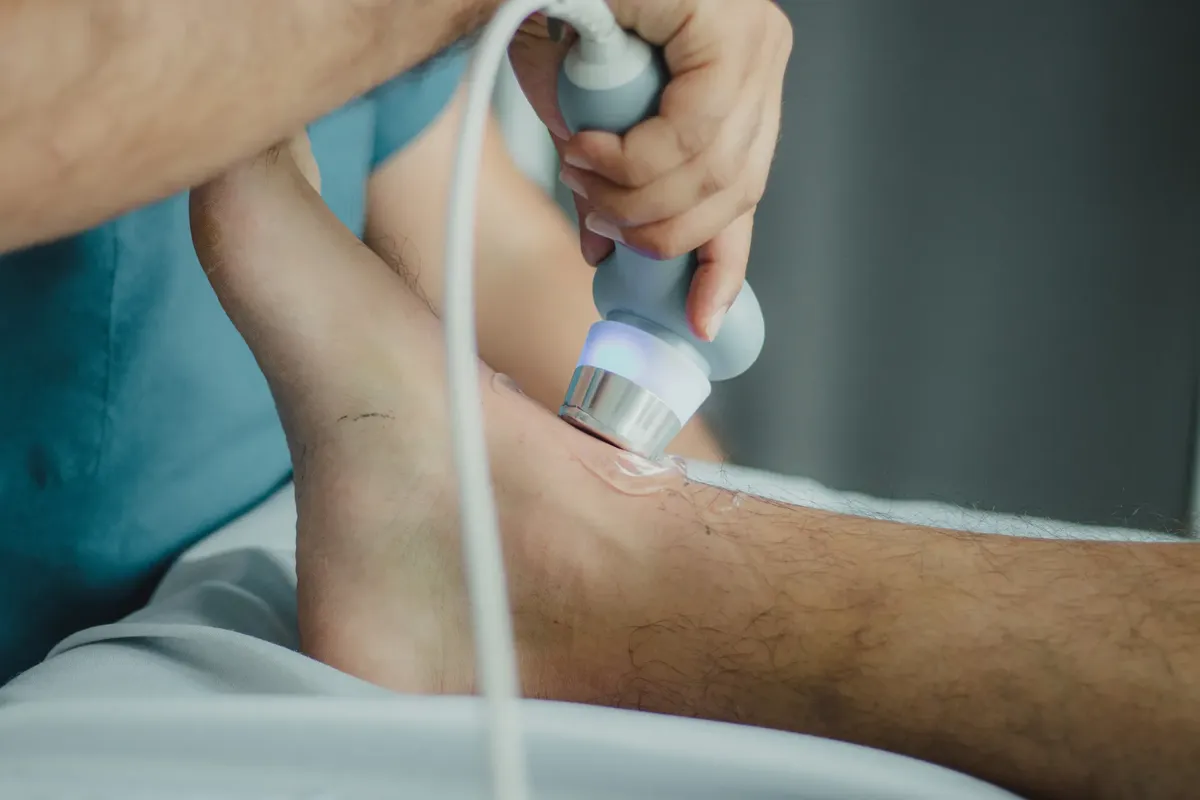
At sunset, I rub my tight, shiny calf and wonder what internal pressure causes such a heavy sensation.
A person sits on a chair, rubbing their calf while noticing the skin looks tight and shiny. This sensation of heaviness often stems from internal pressure changes within the vascular system.
According to the American journal of clinical dermatology (2023), stasis dermatitis is caused by increased pressure inside a person's veins. This internal pressure can lead to fluid accumulation and discomfort.
Managing leg swelling and edema often involves addressing these underlying pressure issues to prevent skin complications.
However, these symptoms may not be related to vascular issues if they are caused by temporary injury or localized inflammation.
How can I identify sudden leg swelling and pain? causes of leg swelling and pain A patient walks into a clinic, pointing to a leg that looks visibly different in color and shape. Sudden changes in the lower limbs can manifest through various physical signs.
In one clinical case, a 23-year-old man was admitted to the hospital with chief complaints of pain, edema, and spasm of the left lower limb, as well as mottling of the dorsal and plantar aspects of the foot, as reported by Archives of Iranian medicine (2017).
Such symptoms indicate that the causes of leg swelling and pain can range from simple fluid retention to more acute medical events.
- Observe the onset of swelling in one or both legs.
- Check for accompanying redness or warmth in the skin.
- Note any sudden changes in pain intensity.
How to treat leg swelling and manage physical changes
Late at night, I lift my heavy legs onto a pile of pillows in my bedroom to soothe the burning sensation that causes such discomfort.
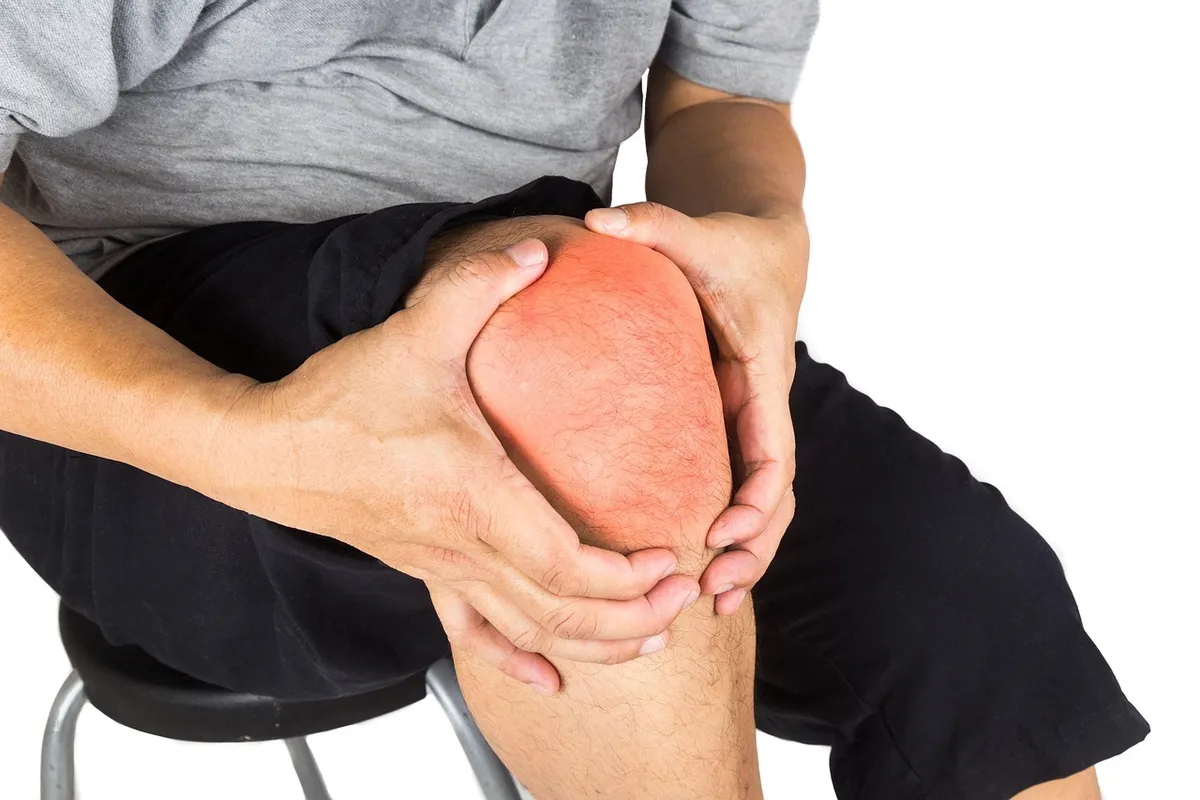
An individual rests on a sofa, elevating their legs to find relief from a dull ache. While lifestyle adjustments help, understanding the impact of inactivity is vital for long-term health.
In healthy older adults, 10 days of bed rest results in a substantial loss of lower extremity strength, power, and aerobic capacity, but has no effect on physical performance, according to The journals of gerontology. Series A, Biological sciences and medical sciences (2008).
Because loss of strength can occur during periods of rest, maintaining mobility is often a key part of managing leg swelling and edema.
| Condition Aspect | Impact of 10-Day Bed Rest |
|---|---|
| Lower Extremity Strength | Substantial loss |
| Physical Performance | No effect |
I observed how much physical activity affects how heavy the legs feel during daily routines.
I find that the second step in this process is the most critical for immediate relief.
What are my clinical options for managing leg pain? A surgeon reviews a surgical plan involving vein correction to improve patient outcomes. For some, medical intervention is necessary to resolve chronic issues.
Regarding surgical improvements, the Cochrane database of systematic reviews (2021) noted that participants with stable preoperative clinical dynamics demonstrated similar rates of improvement in both groups, with 95% with valvuloplasty plus ligation versus 90% with ligation only.
These figures suggest that different surgical approaches can yield effective results for certain vascular conditions.
Clinical treatments may have limited effectiveness if the underlying cause is not properly diagnosed.
Understanding the relationship between vein pressure and skin
A person examines their ankle in a mirror, noting redness or skin texture changes. The connection between internal health and external appearance is direct.
According to the American journal of clinical dermatology, stasis dermatitis is caused by increased pressure inside a person's veins.
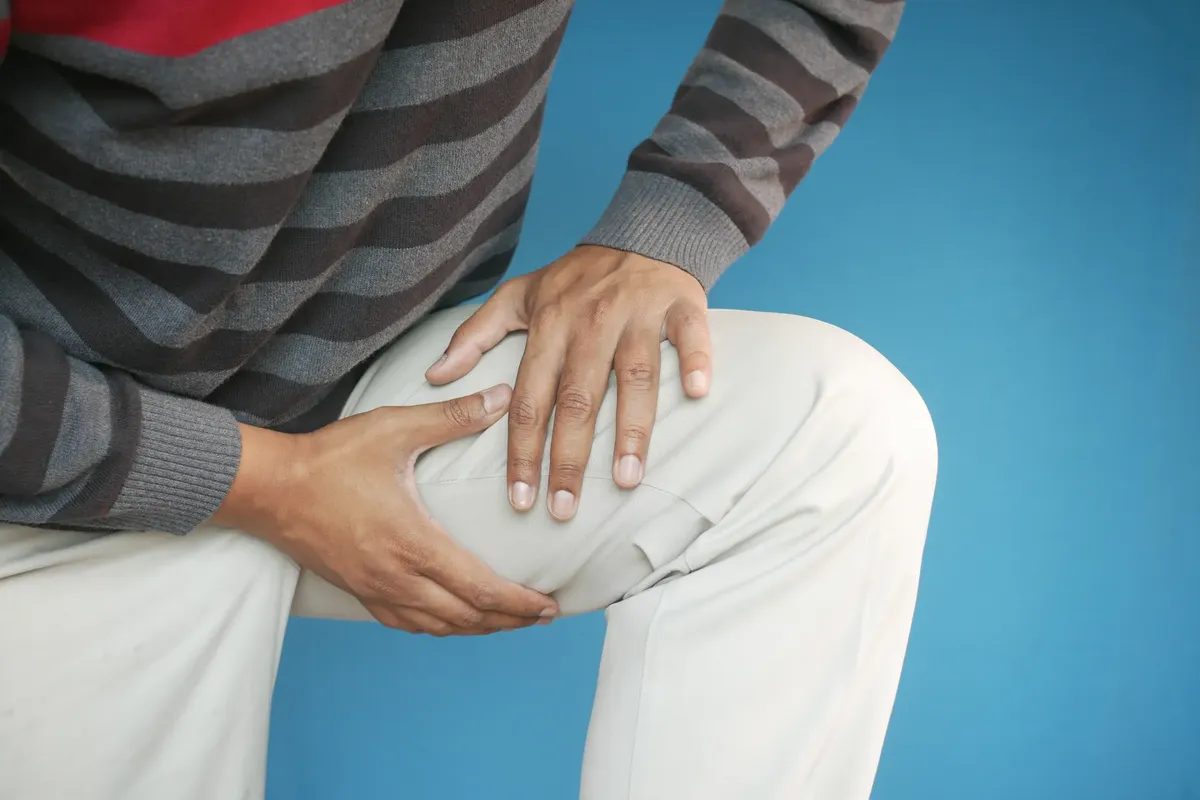
When pressure builds in the veins, it can change the appearance of the skin. Identifying these changes early is part of effective remedies for heavy legs. If the skin becomes mottled or discolored, it may indicate more significant issues than simple swelling.
This explanation does not apply to skin changes caused by external dermatological conditions.
The same subject is also called leg swelling and pain causes.
The same subject is also called heavy and painful legs.
The same subject is also called leg bloating and pain relief.
This part also covers managing leg pain and edema.
Related
- Surgery guide: Robotic system 120% best tips
- Pre-op Checklist: 5 Essential Steps for Surgical Success
When Should I Seek Medical Help?
If the sensation of heavy legs is accompanied by mottling or severe pain, professional evaluation is necessary.
Sudden, visible discoloration or extreme discomfort signals that the underlying vascular issue may require prompt medical assessment.
This applies particularly if the symptoms are acute, as described in the case of the young man presenting with severe left lower limb involvement.
Immediate medical intervention is not required for minor swelling that resolves quickly with rest.
What are the implications of prolonged inactivity on leg health? The journals of gerontology detail that the loss of muscle capacity in the lower extremities occurs rapidly during extended rest. This loss of strength and aerobic capacity underscores the body's need for movement to maintain function. The sensation of heavy legs can be exacerbated by this deconditioning.
While the initial discomfort might be manageable with elevation, the body undergoes significant functional changes when movement ceases. These changes relate to the maintenance of vascular tone and muscle endurance.
Conversely, the body adapts to movement, and this adaptation is lost when the muscles remain unused for extended periods.



Comments 0