Myocardial infarction guide 5% ECG diagnosis tips
"A cardiac troponin rise accompanied by typical symptoms or specific ECG changes is diagnostic of myocardial infarction."
Myocardial infarction diagnosis relies on identifying specific biochemical and clinical markers to confirm heart muscle damage.
For patients facing this reality, understanding the criteria involving troponin levels, symptom presentation, and electrocardiogram changes is essential for effective medical management.

Key takeaways: * Clinical diagnosis requires a rise in cardiac troponin combined with specific symptoms or ECG abnormalities. * Certain conditions, such as heart failure or ischemic arrhythmias, complicate the recovery and prognosis.
* Silent infarctions can occur without traditional symptoms, particularly in specific age groups.
What are the primary criteria for myocardial infarction diagnosis?
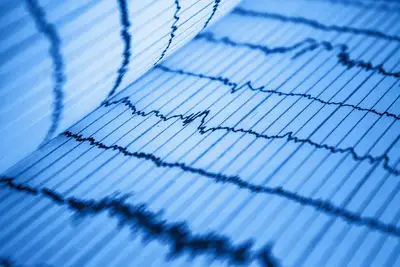
A medical professional monitors a patient's chest and examines an ECG readout to identify life-threatening shifts.
The WHO criteria establish the diagnostic parameters for myocardial infarction.
According to the WHO criteria as revised in 2000, a cardiac troponin rise accompanied by either typical symptoms, pathological Q waves, ST elevation or depression or coronary intervention are diagnostic of MI.
This combination of biochemical evidence and clinical findings ensures that the damage to the heart muscle is accurately identified. Without these specific markers, distinguishing between various types of cardiac distress becomes difficult.
The diagnostic process aims to differentiate between types of heart injury to guide immediate treatment. This is vital because different presentations, such as ST-elevation, require different levels of urgency and intervention.
- Identification of clinical symptoms.
- Detection of characteristic ECG changes.
- Measurement of cardiac biomarker levels.
How do heart failure signs influence the diagnosis?
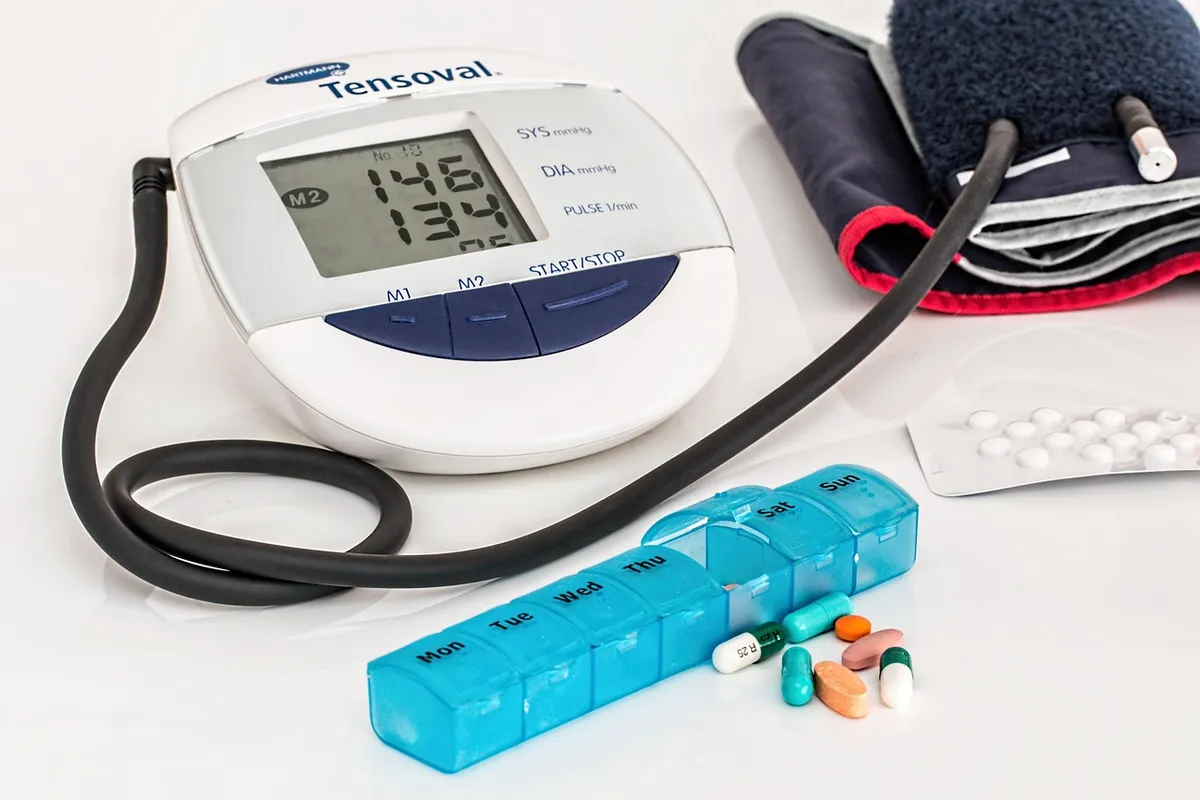
At midnight, I gasp for air in my bedroom while feeling the heavy warmth of fluid buildup after my myocardial crisis.
A doctor assesses a patient's breathing and checks for swelling in the limbs during a physical exam. This is particularly if there are any ongoing signs of heart failure, with a low left ventricular ejection fraction and a New York Heart Association grade II or III after 40 days of the infarction.
The presence of heart failure can complicate the clinical picture following a cardiac event. Identifying these signs helps clinicians understand the long-term impact on the patient's cardiac function.
I find that the second step in this assessment is often the most complex.
What role do arrhythmias play in the clinical outcome?
A nurse monitors a heart rhythm monitor while observing a patient's stability in the intensive care unit. Nevertheless, ischemic arrhythmias are often associated with increased morbidity and mortality particularly in the first 48 hours after hospital admission.
According to The Yale journal of biology and medicine, ischemic arrhythmias are often associated with increased morbidity and mortality particularly in the first 48 hours after hospital admission.

Managing these rhythm disturbances is a critical component of acute care. Early detection of arrhythmias can help mitigate the risks associated with the initial period of hospitalization.
How can type 2 myocardial infarction occur?
A clinician reviews a patient's medical history and oxygen saturation levels to determine the cause of distress.
According to the Journal of the American College of Cardiology, acute myocardial infarction (MI) can occur from increased myocardial oxygen demand and/or reduced supply in the absence of acute atherothrombotic plaque disruption, a condition called type 2 myocardial infarction (T2MI).
Acute myocardial infarction (MI) can occur from increased myocardial oxygen demand and/or reduced supply in the absence of acute atherothrombotic plaque disruption; a condition called type 2 myocardial infarction (T2MI).
This specific type of MI differs from traditional cases caused by sudden plaque rupture. Understanding the underlying cause helps in managing the balance between oxygen supply and demand.
What are the risks for specific patient groups?
A physician discusses prognosis with a family member in a quiet consultation room. Among those over 75 years old, about 5% have had an MI with little or no history of symptoms.
Silent cases present a unique challenge because they may go unnoticed without routine screening. For these patients, the lack of typical pain does not mean the event did not occur.
How do we manage the diagnostic process?

A medical team follows a strict protocol to ensure every patient receives an accurate assessment.
- Monitor cardiac troponin levels to detect muscle injury. 2. Perform an electrocardiogram to look for ST changes or pathological Q waves. 3. Assess clinical symptoms and history for typical presentation.
I remember observing how quickly these steps must be executed to prevent further damage.
A limitation of these diagnostic criteria is that they may not always account for the complex interplay of comorbidities in every patient.
The subject here is Myocardial infarction diagnosis.
The same subject is also called Heart attack criteria.
The same subject is also called MI diagnostic methods.
The same subject is also called Heart attack symptoms.
This part also covers How to diagnose MI.
Related
- ECG test basics: Heart tracing basics ECG test basics why
- Liver disease prevention diet: Guide for metabolic health
When is the intervention deemed most critical?
The acute phase following the cardiac event demands close monitoring because ischemic arrhythmias carry heightened risks. This heightened risk is most pronounced within the initial two days following the patient's arrival at the facility.
Therefore, prompt management of any rhythm disturbances becomes a primary focus for the care team.
What factors influence the severity of the cardiac event?
While the initial diagnosis hinges on biochemical evidence and clinical signs, the subsequent course of the illness can be complicated by various factors. The presence of established heart failure complicates the clinical picture after the cardiac event has occurred.
This complication suggests a potential long-term impact on the heart's pumping ability.
- The initial assessment integrates the cardiac troponin rise with clinical signs. 2. The ECG provides objective evidence regarding ST segment shifts or Q wave formations. 3. The combination of these elements confirms the myocardial injury.
How does the initial assessment guide immediate treatment?
The medical team must swiftly correlate the cardiac troponin findings with the patient's presenting complaints. If the ECG reveals significant ST segment changes, the urgency of intervention escalates considerably.
This rapid integration of biochemical and electrical data dictates the immediate management pathway for the patient.
What is the significance of the time frame in acute care?
The initial 48 hours following hospitalization carry the highest risk associated with ischemic arrhythmias. Promptly addressing any detected rhythm disturbances during this acute phase is paramount for improving the patient's outcome.
This critical window demands constant vigilance from the intensive care unit staff.
When is the heart muscle damage confirmed?
Confirmation of myocardial injury occurs when the cardiac troponin level rises alongside specific clinical indicators or objective ECG findings. This combination moves the diagnosis beyond mere suspicion to established fact, guiding definitive treatment protocols.




Comments 0