Liver disease mechanism guide tips for metabolic conditions
"The liver is a silent worker, often only speaking when the damage has already progressed into visible scars or metabolic distress."
Understanding the liver disease mechanism guide requires recognizing how metabolic shifts and inflammation lead to tissue scarring. This guide is for adults managing metabolic conditions or those seeking to understand diagnostic pathways like biopsy avoidance or medication indications.
Key takeaways include the expanded use of semaglutide for specific fibrosis stages and specific diagnostic criteria in pediatric cases.
How does the liver disease mechanism guide work?
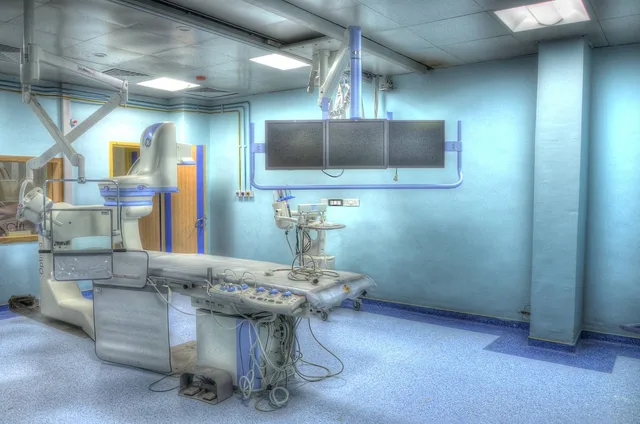
A doctor sits in a quiet office, reviewing a patient's metabolic profile and liver enzyme levels. They look for signs of metabolic-associated steatohepatitis, which involves the accumulation of fat and subsequent inflammation.
This progression often leads to moderate-to-advanced fibrosis, characterized by excessive scar tissue in the liver.
The liver disease mechanism guide focuses on how metabolic dysfunction triggers inflammatory responses.
According to the US Food and Drug Administration, the indication for semaglutide was expanded in August 2025 to include the treatment of metabolic-associated steatohepatitis in adults presenting with moderate-to-advanced fibrosis.
This highlights how pharmaceutical interventions target the underlying biological pathways of scarring.
Understanding liver pathology guide principles involves tracking the transition from simple fat accumulation to active inflammation. When inflammation persists, the body attempts to repair itself through fibrogenesis, creating dense tissue that disrupts normal blood flow.
This cycle is the core of hepatic disorder diagnosis.
I find that the second step in this process is the most extensive.
What are the steps for hepatic disorder diagnosis?
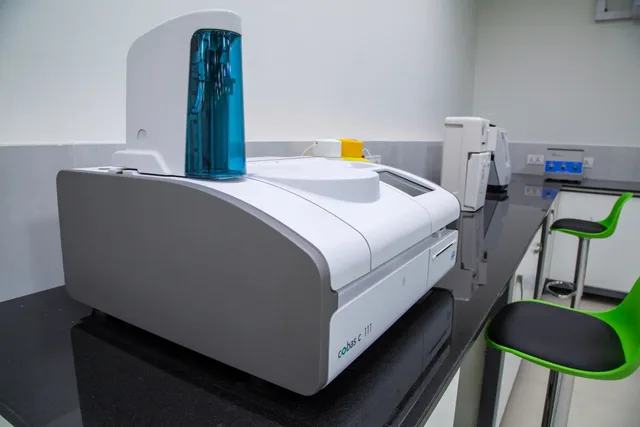
At midnight in the sterile lab, the technician grips the needle tightly as the cold air bites at their skin during the liver assessment.
A technician prepares a needle for a biopsy while a patient rests on a specialized exam table. The clinical environment is sterile and focused on precision. Diagnosis relies on a combination of blood markers, imaging, and sometimes direct tissue sampling to determine the extent of damage.
To navigate a medical liver testing sequence, follow these steps:
- Review serological markers such as transaminase levels and specific antibody tests to identify systemic inflammation. 2. Utilize non-invasive imaging or elastography to estimate the stiffness of the liver tissue. 3. Perform a histological assessment, such as a biopsy, if non-invasive methods cannot clearly define the stage of fibrosis.
I observed how clinicians weigh the necessity of invasive procedures against the clarity provided by blood markers. A final check involves correlating imaging results with clinical symptoms to confirm the severity of the condition.
- Clinical evaluation and medical history review
- Non-invasive imaging and blood biomarker analysis
- Histopathological examination via biopsy
Can biopsy be avoided during hepatic disorder diagnosis?
At dawn, the technician shivers in the cold lab while contemplating ways to bypass a needle during the liver assessment.
A pediatrician examines a child who shows signs of digestive distress after consuming gluten. The room is bright, and the focus is on non-invasive ways to confirm a diagnosis without the discomfort of a needle.
Certain clinical markers can provide enough evidence to bypass traditional tissue sampling.
In specific pediatric contexts, invasive procedures are not always mandatory.
According to a 2020 guideline by the European Society of Paediatric Gastroenterology, Hepatology, and Nutrition (ESPGHAN), biopsy can be avoided in children who exhibit symptoms of coeliac disease, TTG IgA levels ten times higher than normal, and a positive EMA antibody.
This specific combination of high-titer antibodies and clinical presentation allows for a confident diagnosis through bloodwork alone.
This approach to hepatic disorder diagnosis reduces patient anxiety and physical risk. However, it is important to note that these specific criteria are tailored to coeliac-related presentations and may not apply to all forms of liver inflammation.
How does fibrosis affect treatment?
A researcher looks through a microscope at liver tissue samples, noting the density of the collagen fibers. The presence of scar tissue changes the entire landscape of the organ. Treatment strategies are often dictated by how much the liver structure has already been altered by the disease.
The severity of the condition determines the choice of medication. The following table compares the focus of different clinical stages:
| Condition Stage | Primary Clinical Concern |
|---|---|
| Metabolic-associated steatohepatitis | Inflammation and metabolic dysfunction |
| Moderate-to-advanced fibrosis | Excessive scar tissue accumulation |
When managing advanced stages, the goal shifts from simple fat reduction to managing the inflammatory processes that drive scarring. Specialist liver care advice often emphasizes that understanding liver failure is crucial once fibrosis reaches advanced stages, as more aggressive intervention and advanced liver medical tests are required to prevent total organ failure.
What are the limitations of current liver pathology guide methods?

A patient receives a report that shows inconclusive results despite multiple tests. The uncertainty can be frustrating when seeking a clear path forward. Even with advanced technology, some diagnostic gaps remain.
The effectiveness of a liver pathology guide is limited by the accuracy of non-invasive markers in certain populations.
For example, the ability to avoid biopsy in pediatric cases is strictly dependent on meeting specific antibody thresholds, such as TTG IgA levels being ten times higher than normal. If these specific levels are not met, the clinical certainty required to skip a biopsy is not established.
This guide provides an overview of the mechanisms and diagnostic pathways for liver disease, noting that clinical decisions regarding medication and invasive procedures depend on specific biological markers and fibrosis stages.







Comments 0