Surgery guide: Robotic system 120% best tips
"The evolution of surgical technology has transitioned from manual precision to robotic-assisted accuracy, reshaping how clinicians approach complex procedures."
Understanding the types of surgery and their specific characteristics is essential for patients navigating healthcare decisions. This guide covers eligibility criteria for bariatric procedures, the history of robotic assistance, and how technological milestones changed surgical approaches.
Key takeaways include understanding BMI-based eligibility, recognizing the impact of FDA-approved robotic systems, and noting the historical context of surgical innovation.
How are bariatric surgery types guide criteria determined?

A patient sits in a consultation room, reviewing their medical history and weight management goals. Decisions regarding weight-loss interventions often depend on specific physiological markers and age-related guidelines.
According to the American Academy of Pediatrics, bariatric surgery is recommended for adolescents aged 13 and older with a BMI greater than 120% of the 95th percentile for age and sex.
Historically, eligibility for bariatric surgery was defined as a BMI greater than 40, or a BMI more than 35 when accompanied by an obesity-associated comorbidity, according to the 1991 NIH Consensus Statement. These traditional metrics provided a baseline for surgical intervention.
The American Academy of Pediatrics recommends bariatric surgery for adolescents 13 and older with a BMI greater than 120% of the 95th percentile for age and sex. This specific guidance ensures that younger patients receive interventions appropriate for their developmental stage.
In 2017, the American Society for Metabolic and Bariatric Surgery stated that it was not clear whether medical weight-loss treatments or bariatric surgery affected subsequent treatments for infertility in both men and women.
This uncertainty highlights the complexity of long-term physiological outcomes.

- Evaluate the patient's Body Mass Index (BMI) and metabolic profile.
- Assess existing comorbidities and gastrointestinal health.
- Determine the most appropriate surgical modality based on individual physiological needs.
What defines the surgical approach guide in modern technology? Types of surgery guide
A surgeon moves a control interface, watching a high-definition screen as mechanical arms execute precise movements. The shift toward minimally invasive techniques has redefined the standard of care.
One of the most significant milestones in this period was the development of the da Vinci Surgical System, which was approved by the Food and Drug Administration (FDA) for use in surgical procedures in 2000. This system introduced a new level of dexterity to the operating room.
The evolution of these tools began much earlier with specialized hardware. When publicly introduced in 1994, AESOP represented a breakthrough in robotic surgery, as it was the first laparoscopic camera holder to be granted the FDA's approval for commercial use.
The progression of these tools shows a clear trajectory toward automation. The latter was the first surgical robot to receive the FDA's official approval, which occurred in 2008. This era of innovation continues to shape how surgeons interact with patients.
In this order, the second step is the most extensive.
What are the major surgery types in robotic-assisted medicine?

A technician checks the calibration of a robotic arm in a sterile environment before the procedure begins. Understanding the difference between manual and robotic methods is a key part of a surgery characteristic guide.
While traditional surgery relies heavily on manual dexterity, robotic systems provide enhanced visualization and stability. These systems allow for much smaller incisions and potentially less invasive procedures.
| Feature | Historical Standard | Modern Robotic Milestone |
|---|---|---|
| Primary Metric | BMI > 40 or 35 with comorbidity | FDA-approved robotic systems |
| Key Tool | Manual laparoscopic tools | da Vinci Surgical System |
I remember reviewing these historical benchmarks during a study of clinical evolution. It is clear that the transition from manual to robotic tools changed the scope of what is possible in the operating room.
How do patient selection criteria affect surgical outcomes?
A medical team discusses a patient's specific health profile to determine the most appropriate surgical path. Selecting the right procedure requires a deep understanding of the patient's unique medical needs.
The American Academy of Pediatrics recommends bariatric surgery for adolescents aged 13 and older with a BMI greater than 120% of the 95th percentile for age and sex.
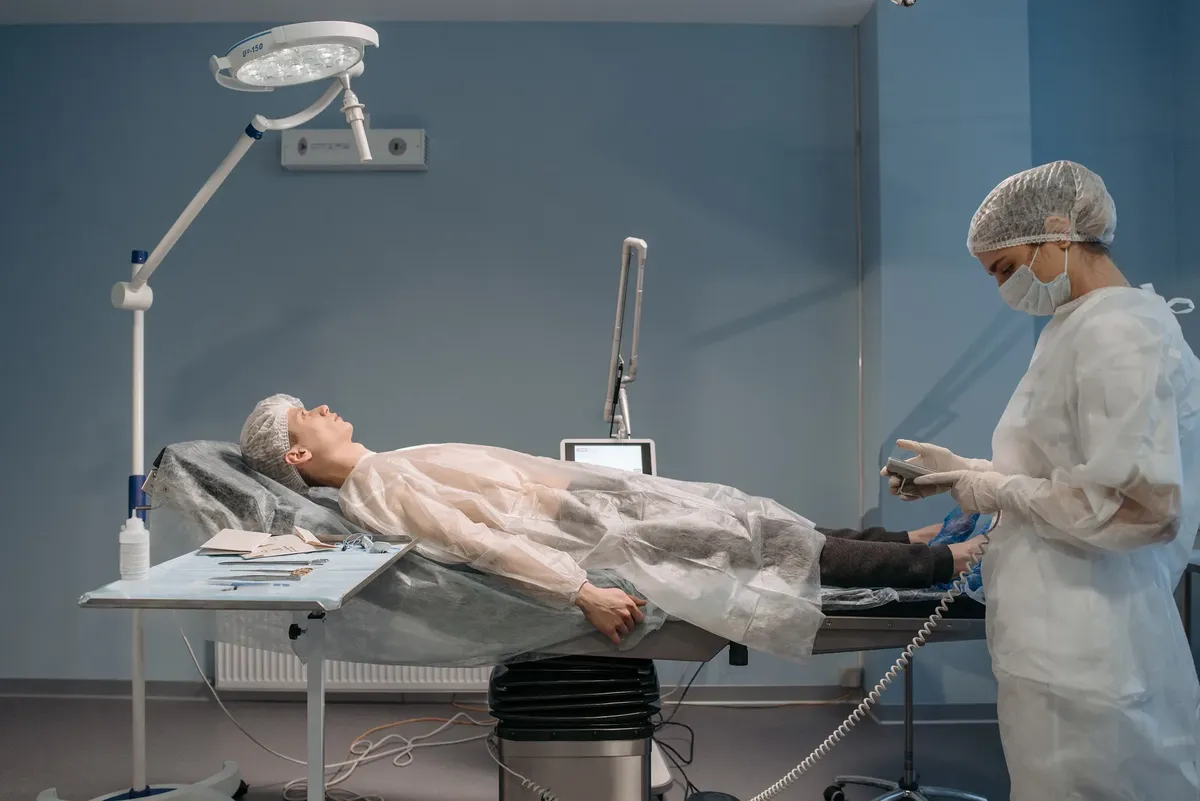
Patient selection is not just about the procedure itself but about the underlying health conditions. For instance, comorbidities play a vital role in determining if a patient is a candidate for specific weight-loss interventions.
The following steps generally outline the selection process: 1. Assessment of BMI and age-specific growth charts. 2. Evaluation of obesity-associated comorbidities. 3. Review of technological suitability for the specific procedure. 4. Final clinical verification of patient readiness.
A clinical limitation exists where medical weight-loss treatments or bariatric surgery effects on subsequent infertility treatments remain unclear.
What are the surgical technique details for robotic systems?
An engineer adjusts the software settings on a robotic console to ensure seamless movement. Mastering these techniques requires specialized training and a deep understanding of the interface.
The precision offered by robotic platforms allows surgeons to perform complex tasks with greater control. This technology is a core component of any modern surgical technique details discussion.
The development of these tools has been a gradual process of refinement. From the first camera holders to integrated surgical systems, each advancement has aimed to increase surgical precision.
The history of these advancements shows how much the field has changed. Early breakthroughs, such as the first FDA-approved camera holder, paved the way for the sophisticated systems used today.
How is the procedure recovery phases managed?

A nurse monitors a patient in a recovery room, checking vital signs as they wake from anesthesia. Recovery is a critical phase that depends heavily on the type of surgery performed.
The impact of a procedure on a patient's long-term health is a primary concern for both doctors and patients. This includes understanding how surgical changes might affect other physiological functions.
The focus remains on minimizing trauma through refined techniques. As technology advances, the goal is to make recovery more predictable and less invasive for every patient.
The transition from manual to robotic-assisted tools has fundamentally changed the landscape of surgical intervention.
The subject here is Types of surgery guide.
The same subject is also called Surgical procedure types.
Disclaimer: This article is general information, not medical advice. Consult a qualified healthcare professional before taking any supplement or medication.




Comments 0