Surgery care: 48 hours Pre and post surgery care guide
"The path to healing begins long before the first incision and extends far beyond the initial discharge from the hospital."
Effective pre and post surgery care requires strict adherence to medical protocols and careful monitoring of vital signs to ensure a safe transition from the operating room to daily life.
Key takeaways include the necessity of intensive monitoring during initial recovery, the importance of managing specific risks like infection or stroke, and understanding that recovery protocols vary significantly based on the type of procedure performed.
What happens during my first stage of recovery? In the dim light of the intensive care unit, I blink my eyes open and feel the heavy ache of my recent surgery.
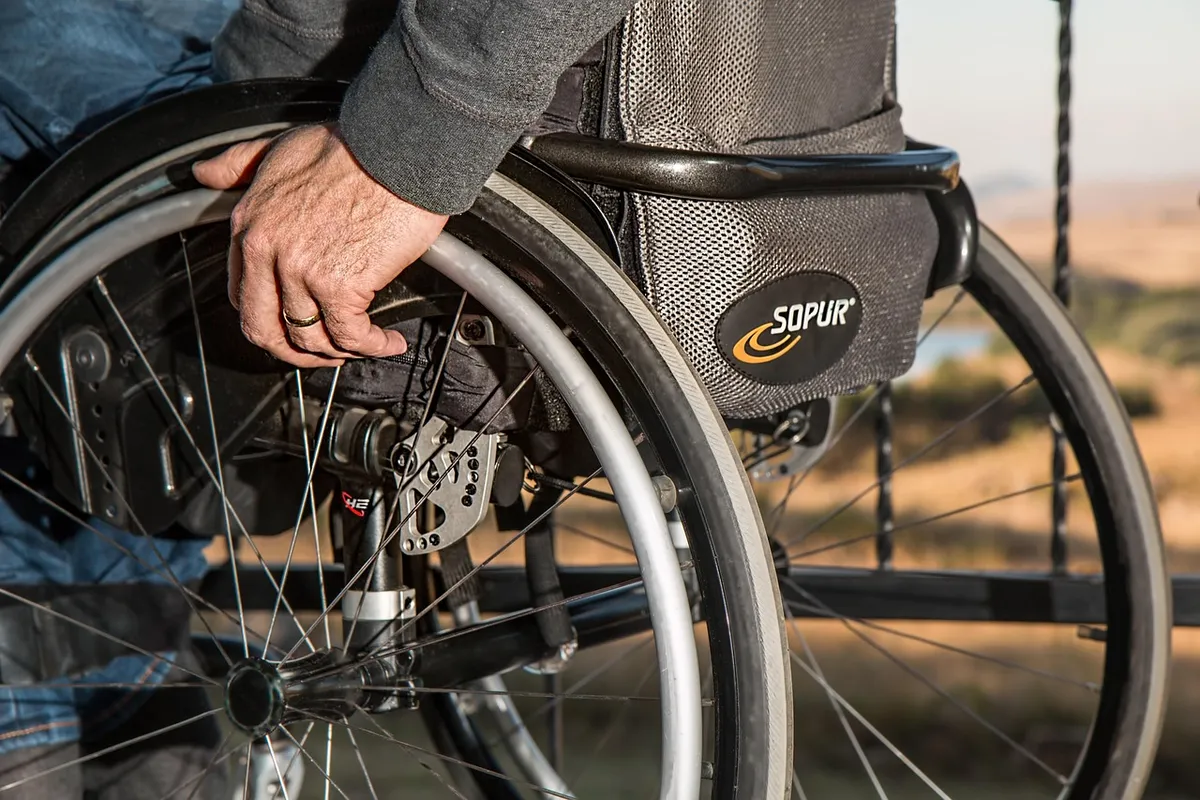
A patient lies in a quiet hospital room, eyes blinking open as nurses check monitors. For those undergoing major procedures like open-heart surgery, the immediate period following the procedure is critical for stability.
Recovery from open-heart surgery begins with approximately 48 hours in an intensive care unit. During this period, medical staff closely monitor vital signs such as heart rate, blood pressure, and oxygen levels.
This intensive oversight is designed to catch complications before they become life-threatening. Continuous observation helps manage the body's physiological response to the surgical trauma.
How can we manage risks during body healing after surgery? Pre and post surgery care
As I sit shivering under heavy blankets at midnight, I carefully monitor my breathing to manage the risks following my surgery.
A surgeon reviews a chart while a patient rests under heavy blankets. Managing the physical toll of a procedure involves being aware of potential complications that can arise shortly after the operation.
Complications vary depending on the surgical site and the patient's health history. For example, repairs of congenital heart defects are currently estimated to have mortality rates of 4–6%.
Additionally, stroke occurs in 2–3% of all people undergoing cardiac surgery, and this rate is higher in patients with other risk factors for stroke. Monitoring for these specific issues is a vital part of the recovery process.
What do I need to do before my surgery? A patient sits in a consultation room, listening intently to a doctor's guidance. Preparing the body for a procedure is just as important as the surgical intervention itself to minimize risks.
While specific instructions depend on the procedure, general preparation often involves fasting or managing existing medications.
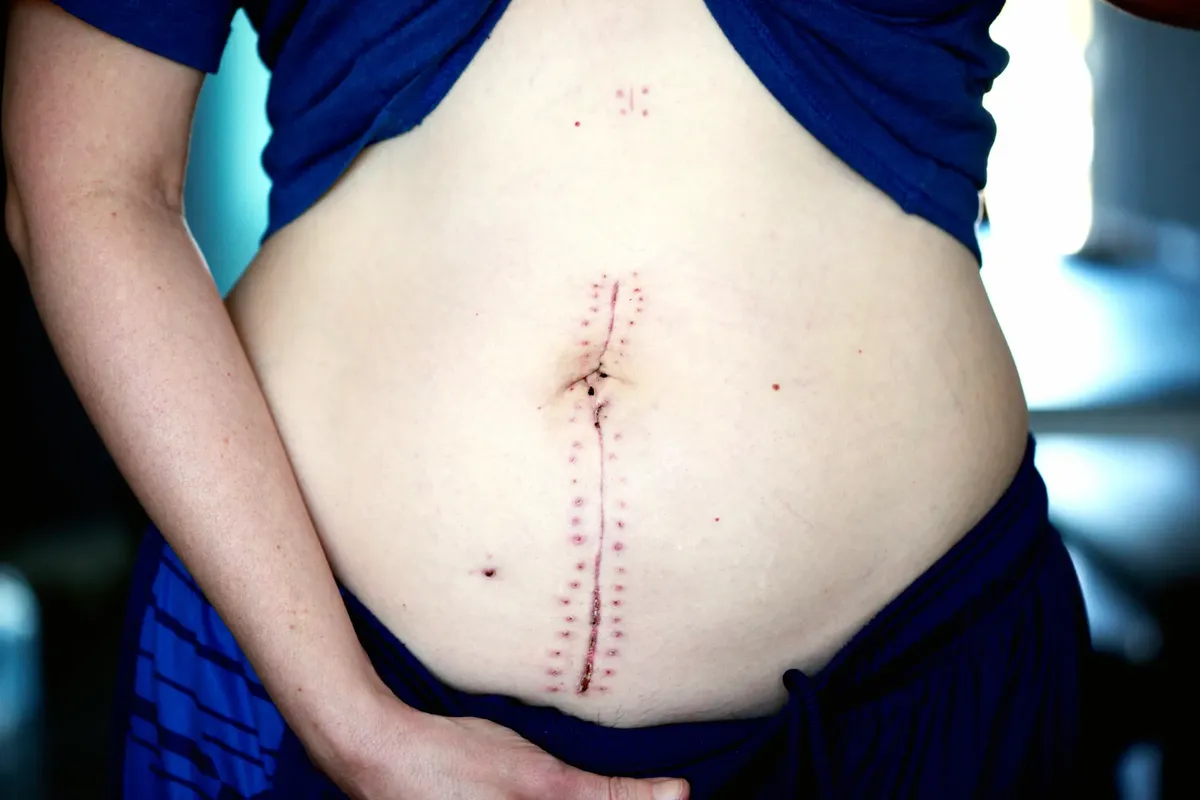
Historical standards, such as the 1991 NIH Consensus Statement, once defined bariatric surgery eligibility based on a BMI greater than 40, or a BMI more than 35 with an obesity-associated comorbidity. Preparing the body for these specific metabolic changes is a cornerstone of surgical success.
How do lifestyle changes post op impact long-term success?
A person walks slowly through a park, adjusting their pace to match their energy levels. Long-term health is often determined by how well a patient integrates new habits into their daily routine.
The transition from hospital to home requires significant adjustments to prevent late-stage complications. In some cases, a patient might feel fine for 24 hours but then become ill with a fever or other severe issues like mediastinitis just days later.
Staying vigilant about new symptoms is necessary to prevent such outcomes. Successful recovery often requires a permanent shift in how one manages nutrition and physical activity.
What are the specific steps for surgical preparation and recovery?
A nurse prepares a tray of supplies while a patient undergoes a final check-up. Following a structured sequence helps ensure that both the surgical team and the patient are prepared for the physiological demands of the procedure.
According to the American Academy of Pediatrics, bariatric surgery is recommended for adolescents 13 and older with a BMI greater than 120% of the 95th percentile for age and sex.
As reported by the German Aerospace Centre, the MiroSurge neurosurgical robotic system was presented in June 2008 as a robotic system for minimally invasive surgery.
- Follow all fasting and medication adjustment protocols as directed by the surgical team to ensure anesthesia safety. 2. Prepare a recovery environment at home that allows for easy monitoring of vitals and limited physical strain. 3. Attend all follow-up appointments to track healing progress and address any emerging complications.
I remember reviewing a recovery checklist to ensure every vital sign was accounted for during the first 48 hours of intensive care.
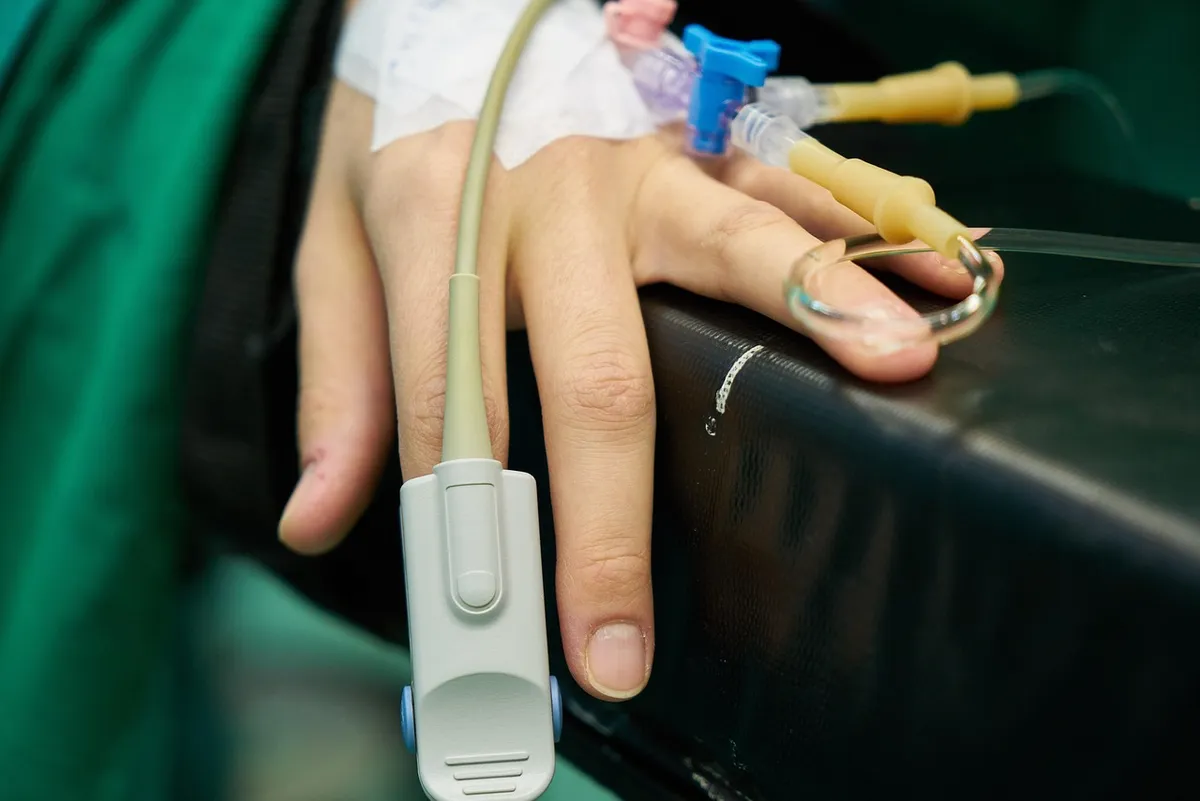
A limitation of these general recovery guidelines is that they cannot account for individual physiological variations or the specific complexities of different surgical techniques.
- What happens during my first stage of recovery?
- How can we manage risks during body healing after surgery?
- What do I need to do before my surgery?
The same subject is also called Surgery before after tips.
The same subject is also called Recovery after operation.
The same subject is also called Pre op instructions.
The same subject is also called Post op recovery guide.
This part also covers Doctor advice before surgery.
Related
- Managing heat mortality and diabetes: Why monitor vitals
- MRD test meaning: Why baseline markers affect results
When is the path to healing most fragile?
The path to healing is most fragile during the initial period immediately following the operation. This initial phase demands the most rigorous attention from the medical team.
- The first 48 hours in the intensive care unit are crucial for establishing physiological stability. 2. During this time, the body undergoes the most significant adjustment to the surgical trauma. 3. Close monitoring of vital signs helps predict and mitigate potential acute complications.
How does the initial recovery phase compare to the long-term path to healing?
The initial recovery phase is characterized by acute physiological management, whereas the long-term path to healing involves lifestyle integration.
The immediate focus is on stabilizing the patient after the procedure, whereas the later stage focuses on sustaining that stability through daily habits.
The initial phase addresses immediate threats like infection or stroke, which are acute risks following surgery. The long-term path to healing requires the patient to actively participate in maintaining health through dietary and activity changes.
This transition from acute crisis management to proactive self-care defines the difference between the two phases. The success of the entire path to healing depends on a smooth transition between these two distinct stages.







Comments 0