Heart disease prevention guide: 13% activity tips
"The world's biggest killer is ischemic heart disease, responsible for 13% of the world's total deaths."
Heart disease prevention requires addressing both biological predispositions and daily lifestyle choices to mitigate significant global health risks.
This guide explores how managing work hours, physical activity, and specific medical risks can reduce the likelihood of life-threatening cardiovascular events.

Key takeaways include recognizing the impact of excessive work hours, understanding gender-based risk variations, and identifying preventable lifestyle factors.
How do lifestyle choices impact heart disease prevention?
As the sun sets behind the office window, he rubs his tired eyes and feels a heavy ache in his heart.
A person sits at a desk, staring at a computer screen as the sun sets through the office window. While professional success is often prioritized, excessive work hours significantly alter physiological health.
According to a 2021 WHO study, working 55+ hours a week raises the risk of stroke by 35% and the risk of dying from heart conditions by 17%. Managing these hours is a critical component of heart disease prevention.
High blood pressure care often begins with balancing professional obligations and rest.
What are the primary risk factors for cardiovascular issues?
A person checks their blood pressure monitor while sitting quietly in a living room. Understanding the specific drivers of mortality helps in prioritizing health interventions.
The World Health Organization reported that ischemic heart disease is responsible for 13% of the world's total deaths. Diabetes risk factors, such as blood sugar regulation, contribute to this global mortality rate.
Obesity lifestyle tips often focus on managing weight to reduce the strain on the heart.
| Risk Factor | Estimated Percentage of CVD Deaths |
|---|---|
| High blood pressure | 13% |
| Tobacco use | 9% |
How does gender affect cardiovascular risk?
A doctor reviews medical charts, noting the different diagnostic timelines for male and female patients. Gender-based biological differences play a significant role in how diseases manifest.
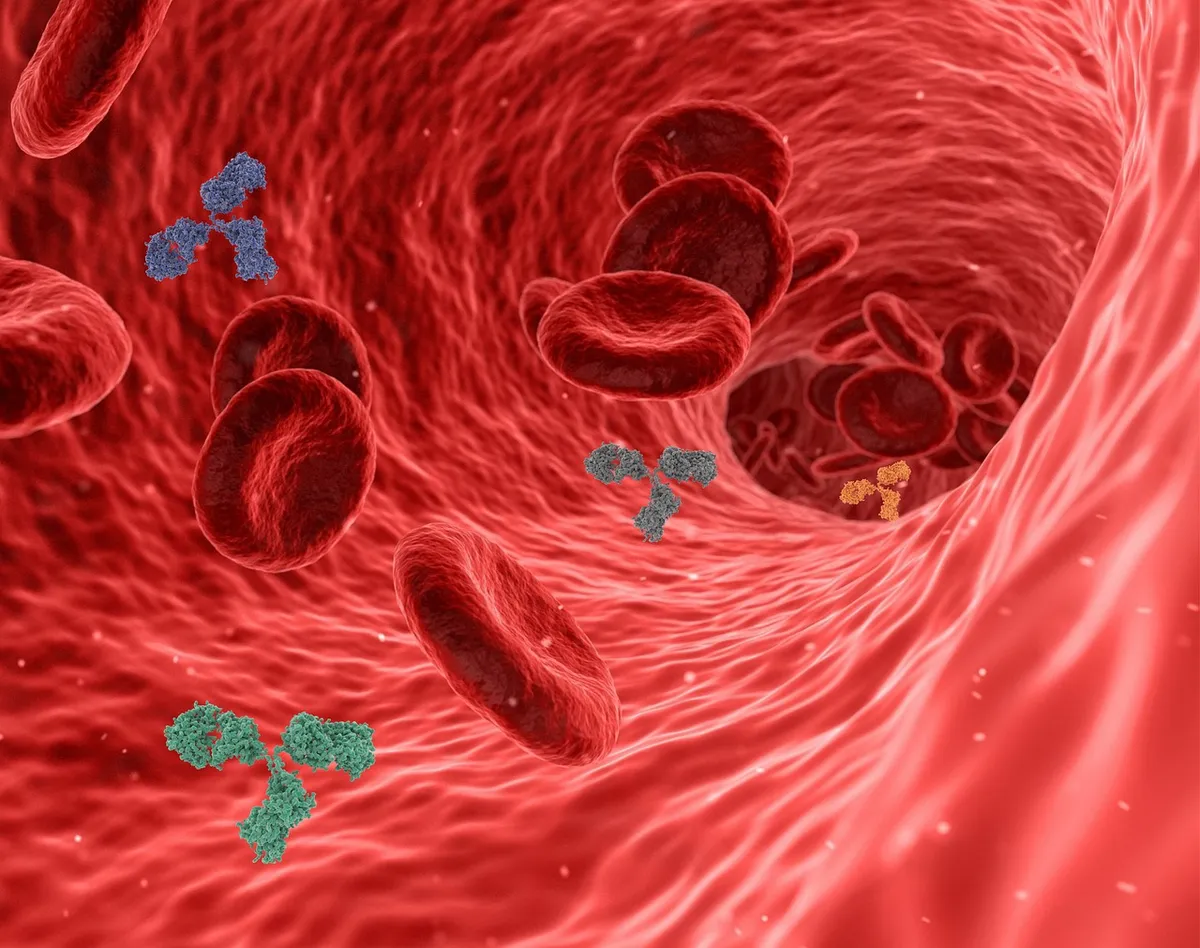
In a study done by the World Health Organization, sex contributes to approximately 40% of the variation in sex ratios of coronary heart disease mortality. At the same age, men are about 50% more likely to develop CVD and are typically diagnosed seven to ten years earlier than women.
How can physical activity prevent heart disease?
A person laces up running shoes before heading out for a morning jog. Regular movement is essential to combat the physiological effects of a sedentary lifestyle.
Insufficient physical activity, defined as less than 5 × 30 minutes of moderate activity per week or less than 3 × 20 minutes of vigorous activity per week, is currently the fourth leading risk factor for mortality worldwide.
Heart health habits should include meeting these minimum activity thresholds to maintain vascular integrity.
What are the steps to manage personal cardiovascular risk?
A person reviews a new health assessment tool provided by a medical professional. Taking proactive steps can help individuals navigate their unique health profiles.
- Assess current health metrics using tools like the American Heart Association's PREVENT tool, which was developed in 2023 to measure potential risks of cardiovascular disease, heart failure, and atherosclerotic cardiovascular disease. 2. Evaluate lifestyle habits, such as smoking status and sleep quality, to identify immediate areas for change. 3. Monitor for silent symptoms, such as those related to apnea, which may indicate underlying issues.
I reviewed the PREVENT tool's capabilities to see how it compares to traditional risk assessments.
A limitation of these preventive measures is that they cannot fully account for all genetic predispositions, such as when cardiovascular disease in a person's parents increases their risk by approximately 3 fold.
- How do lifestyle choices impact heart disease prevention?
- What are the primary risk factors for cardiovascular issues?
- How does gender affect cardiovascular risk?
This part also covers Manage heart risks.
This part also covers Lifestyle changes matter.
This part also covers Prevent heart attack.
Manage heart risks
Related
- Cancer pain management: How to achieve 90% control
- Mohs surgery principles: High cure rate for skin cancer
How does the world's biggest killer compare to other mortality causes?
The world's biggest killer, ischemic heart disease, accounts for 13% of the world's total deaths, a figure that highlights the scale of cardiovascular mortality globally. This percentage represents the portion of all global fatalities attributed to heart conditions.
While this figure is substantial, other causes also contribute to the overall mortality statistics.
What are the specific lifestyle changes recommended for heart health?
Lifestyle choices offer actionable ways to mitigate the risks associated with heart disease. Individuals should aim to improve upon current habits regarding physical movement and professional scheduling.
For instance, reducing the number of hours spent working each week can directly influence cardiovascular outcomes, as shown by the WHO data.
- Incorporate moderate activity into the weekly routine to meet the minimum activity threshold. 2. Limit high-stress work schedules that extend into the late hours. 3. Be mindful of modifiable risk factors like tobacco use and blood pressure.
What are the biological differences in heart disease presentation by gender?
The biological differences between sexes influence how coronary heart disease manifests and is diagnosed. The World Health Organization noted that sex accounts for a portion of the variation in the ratios of coronary heart disease mortality between the sexes.
Men, on average, face a higher probability of developing cardiovascular disease at a similar age compared to women.
This difference in presentation means that diagnostic timelines vary significantly between males and females. While the underlying condition might be present, the manifestation and recognition of symptoms can differ due to biological factors.







Comments 0