Disease prevention diet: How to guide your eating choices
"A healthy lifestyle begins with understanding what we put on our plates, as nutritional guides have evolved through decades of research and debate."
A disease prevention diet relies on understanding historical nutritional guidelines and modern supplement regulations to make informed choices. This guide explores foundational food structures, specific nutrient needs like calcium, and the regulatory landscape of dietary supplements.

You will learn about historical food pyramids, the importance of specific mineral intake during pregnancy, and how to navigate the supplement market.
How do historical food guides shape a disease prevention diet?
A researcher looks through old archives of nutritional charts to understand how dietary advice has shifted over the decades. The USDA food pyramid was created in 1992 and divided into six horizontal sections containing depictions of foods from each section's food group.
According to the USDA, the USDA food pyramid was created in 1992 and divided into six horizontal sections containing depictions of foods from each section's food group.
This structure aimed to provide a visual hierarchy for daily consumption. However, the guide faced scrutiny regarding how it represented various food groups.
The pyramid competed with the National Board's "dietary circle," which KF saw as problematic for resembling a cake divided into seven slices, and for not indicating how much of each food should be eaten.

In this sequence, the first step is the most foundational.
What are the specific needs for a healthy eating guide?
A nutritionist adjusts a meal plan to ensure all micronutrient requirements are met for a specific life stage. In 2020, the World Health Organization updated recommendations for adequate calcium levels during pregnancy to prevent hypertensive disorders.
Meeting these specific needs is vital for long-term wellness. Following a healthy eating guide requires balancing macronutrients while addressing unique physiological demands. For instance, the amount of calcium required changes based on life stages to manage health risks effectively.
How can I manage a diet for wellness?
An individual carefully measures portion sizes to ensure they do not exceed recommended daily limits. One serving of meat is 4 oz (110 g), about the size of a deck of cards.
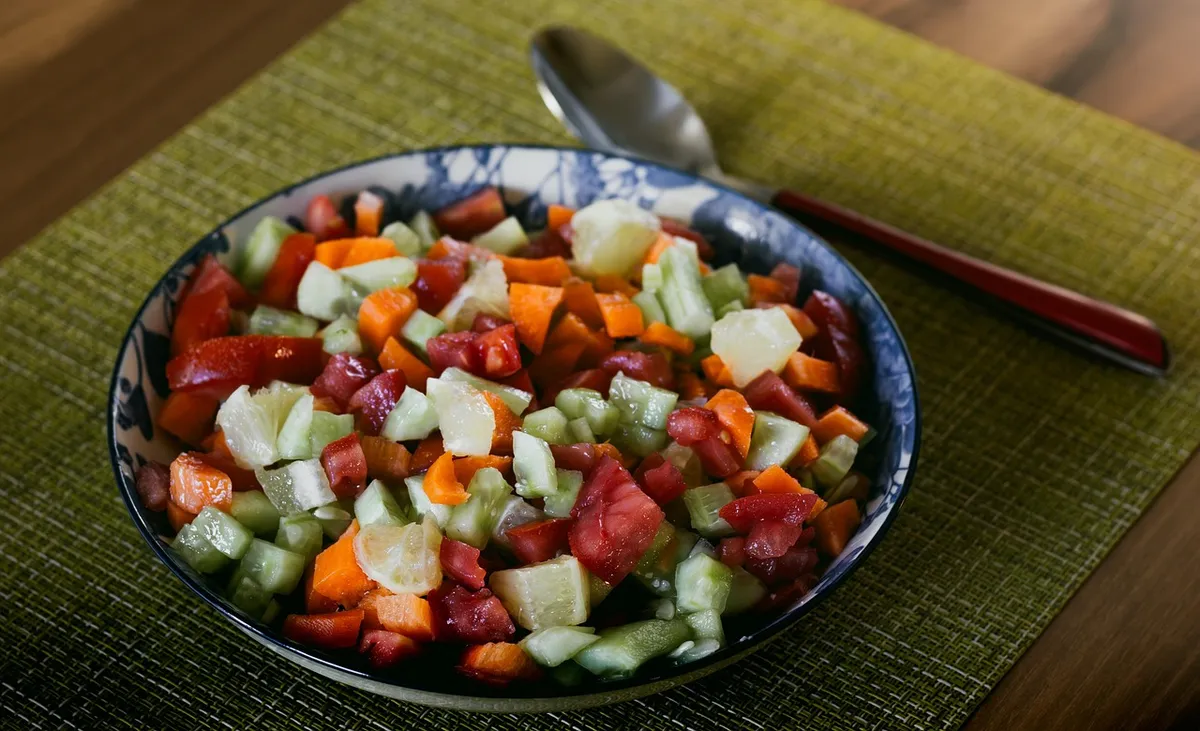
Managing a diet for wellness involves understanding portion control and calorie distribution. For example, certain dietary choices that have been linked to heart disease, such as an 8 oz (230 g) serving of hamburger daily, were technically permitted under the pyramid.
To understand why, consider the determination of an amount of "10% free sugar" to include in a day's worth of calories.
| Food Group/Item | Typical Serving Size |
|---|---|
| Meat Serving | 4 oz (110 g) |
| Large Hamburger | 8 oz (230 g) |
I noticed that using a deck of cards as a visual aid made portion control much easier during my own meal prep.
- Assess your current nutritional intake. 2. Identify areas for improvement. 3. Implement gradual dietary changes.
What are the best preventative foods list options?
A shopper selects fresh produce and whole grains to build a nutrient-dense grocery basket. A preventative foods list often emphasizes variety to ensure a full spectrum of vitamins and minerals.

The United States National Institutes of Health (NIH) states that some supplements may help provide essential nutrients or support overall health and performance for those with limited dietary variety. While whole foods are the primary source of nutrition, supplements can fill specific gaps.
A diet for wellness should prioritize whole foods, using supplements only as a targeted addition to an existing diet.
How do I navigate a diet for wellness with supplements?
A consumer reads the labels on various bottled vitamins before deciding which one to purchase. Navigating the supplement market requires understanding that these products are regulated differently than medications.
- Check the label for specific nutrient amounts to ensure they meet your needs. 2. Verify that the product is not attempting to claim it can cure or treat a specific disease. \; 3. Consult professional guidance to avoid excessive intake of certain vitamins.
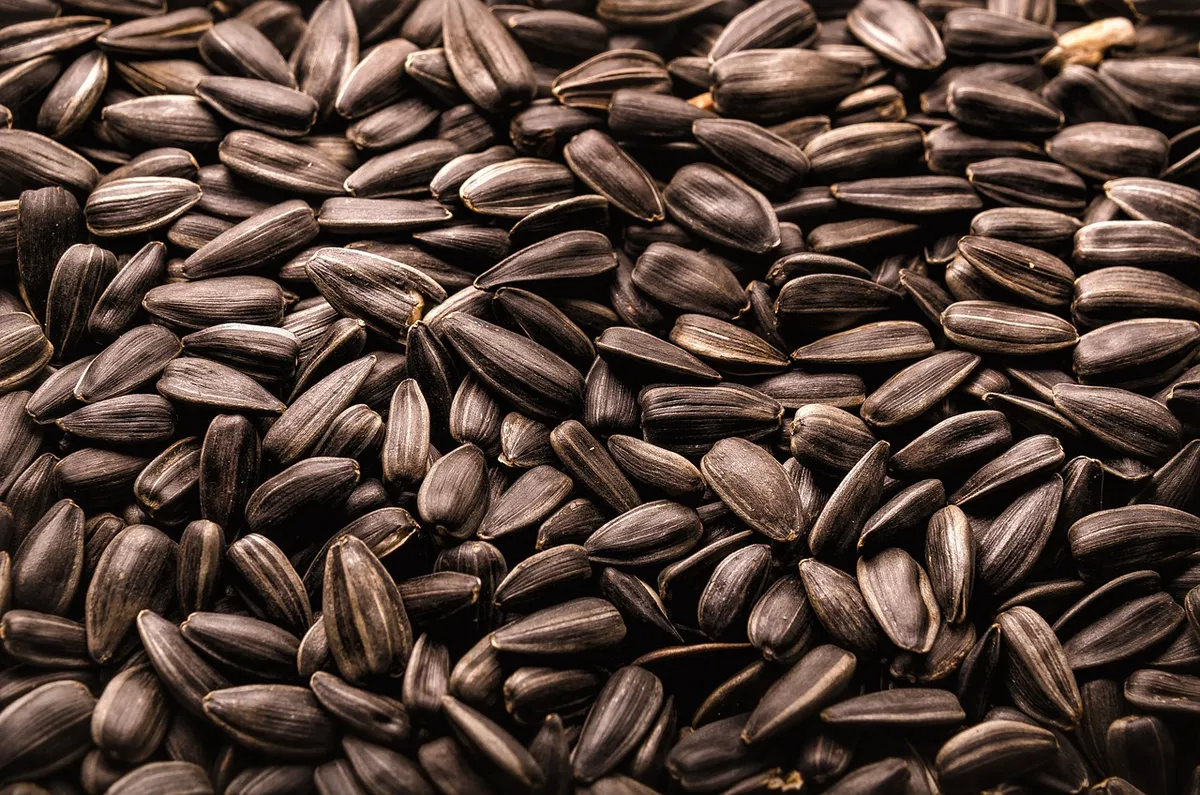
A final check involves ensuring that the supplement does not replace a balanced diet but rather complements it. A limitation of this approach is that supplement manufacturers do not need to receive FDA approval before marketing dietary supplements that were marketed in the United States before 1994.
- How do historical food guides shape a disease prevention diet?
- What are the specific needs for a healthy eating guide?
- How can I manage a diet for wellness?
The subject here is Disease prevention diet.
The same subject is also called Disease defense diet.
This part also covers Foods to boost immunity.
This part also covers Daily diet tips for health.
This part also covers Foods to prevent illness.
Foods to boost immunity
Related
- Causes of leg swelling and pain: 10 days Guide to heavy legs
- Surgery guide: Robotic system 120% best tips
How does a healthy lifestyle integrate these elements?
A healthy lifestyle demands a synthesis of historical understanding and modern scientific advice regarding nutrition. The initial guidance from older models, like the USDA food pyramid, provided a starting point for visualizing food groups.
However, contemporary health needs necessitate a deeper dive into specific mineral requirements, such as those for calcium during pregnancy, as advised by organizations like the World Health Organization.
This integration means moving beyond simple visual representations to adopt a dynamic approach to eating. One must balance the macronutrient intake suggested by older models with the precise micronutrient needs identified by modern research to achieve optimal wellness.
For instance, while the pyramid offered a general structure, modern advice refines this by specifying that the amount of calcium needed varies significantly depending on the individual's life stage and health status, like during gestation.




Comments 0