Addison's disease diagnosis: Primary insufficiency why
"The path to identifying an endocrine disorder requires careful measurement and clinical observation to ensure the correct treatment is applied."
Addison's disease diagnosis involves assessing hormone levels and adrenal function through specific blood tests and clinical evaluations. This guide covers the common testing procedures, the role of cortisol measurement, and the importance of specialized stimulation tests.
How will I be diagnosed with Addison's disease?
In the dim morning light of the clinic, I sit nervously in a plastic chair while the doctor discusses my addison diagnosis. A doctor sits at a desk, reviewing lab results that show low cortisol levels. Identifying the cause of adrenal insufficiency is the first step in the clinical process.
The primary method for Addison's disease diagnosis focuses on measuring the levels of cortisol and other hormones in the blood to determine if the adrenal glands are functioning correctly.
Clinicians look for low cortisol levels alongside high levels of adrenocorticotropic hormone (ACTH) to distinguish between primary and secondary adrenal insufficiency.
Effective testing strategies often involve measuring baseline hormone levels before moving to more intensive provocation tests. This sequence helps doctors pinpoint whether the issue lies within the adrenal glands themselves or the pituitary gland.
How do doctors perform Addison's disease testing? Addison's disease diagnosis
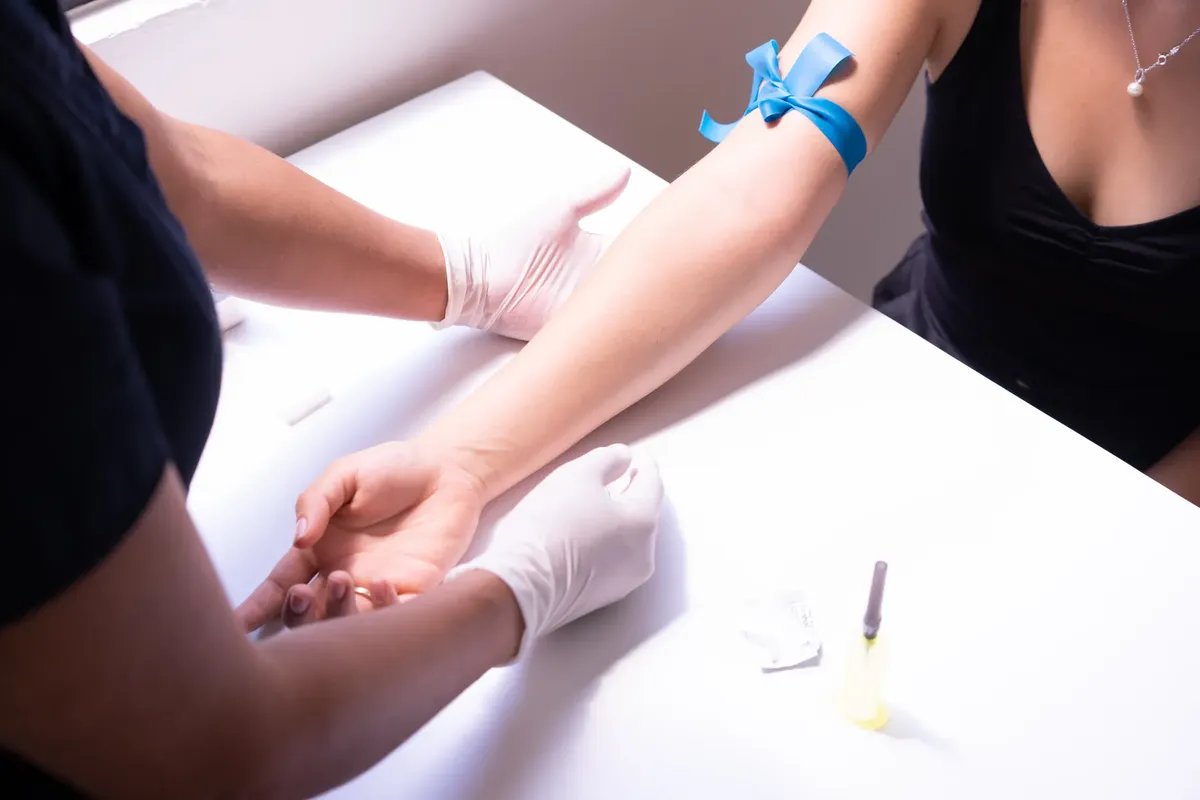
A nurse prepares a syringe while a patient waits in a quiet exam room for a scheduled procedure. The morning light hits the medical supplies, signaling the start of a diagnostic session.
Effective Addison's disease testing frequently utilizes the ACTH stimulation test to evaluate how the adrenal glands respond to hormonal signals. During this procedure, a synthetic version of ACTH is injected into the patient, and cortisol levels are measured at specific intervals afterward.

According to medical standards, a normal response involves a significant rise in cortisol. If the cortisol levels remain low despite the stimulation, it strongly suggests primary adrenal insufficiency.
What are the criteria for an Addison's diagnosis? An investigator compares different hormonal data points on a digital screen to find inconsistencies. The focus remains on the relationship between different endocrine signals.
Meeting specific Addison's disease criteria requires a combination of clinical symptoms, such as fatigue or hyperpigmentation, and confirmed laboratory findings. Doctors must rule out other conditions that mimic adrenal failure before confirming the diagnosis.
Clinicians often look for electrolyte imbalances, such as low sodium or high potassium, as part of the diagnostic picture. These chemical shifts in the blood can provide immediate clues during the initial screening process.
What is involved in Addison's disease screening?
A medical professional enters a room to check the vitals of a patient showing signs of fatigue. The atmosphere is calm as the preliminary assessment begins.
Initial Addison's disease screening usually starts with blood work to check for cortisol deficiency and electrolyte abnormalities. This preliminary step helps determine if more invasive or specialized testing is necessary to confirm the condition.
Screening is vital for patients presenting with unexplained weight loss or low blood pressure. Identifying these signs early can prevent the onset of a life-threatening adrenal crisis.
What are the common Addison's disease test methods?

A technician labels several small vials of blood to be sent to a specialized laboratory. The rhythmic sound of the lab equipment fills the background.
Common Addison's disease test methods include the plasma ACTH test and the dexamethasone suppression test, depending on the suspected type of insufficiency. While the ACTH stimulation test is the gold standard for primary insufficiency, other tests help investigate secondary causes.
I remember observing how a single blood draw can lead to a much more complex series of follow-up questions regarding hormone regulation. Comparing baseline levels to stimulated levels is essential for accuracy.
| Test Type | Primary Purpose |
|---|---|
| ACTH Stimulation | Evaluates adrenal gland response |
| Plasma Cortisol | Measures baseline hormone levels |
How is detecting Addison's disease managed in clinical settings?
A physician discusses the laboratory report with a patient to explain the next steps in care. The conversation focuses on the clarity of the results.
Detecting Addison's disease requires a careful distinction between primary and secondary causes through targeted biochemical testing. Because symptoms can be vague, medical professionals rely heavily on the precision of hormonal assays to confirm the presence of the disease.

The diagnosis is not established by a single value alone but by the context of the patient's clinical presentation and the relationship between different hormone levels.
Wikipedia: Alzheimer's disease (full) Based on the retained excerpt mentioning US National Institut: For example, the US National Institutes of Health program for Alzheimer's research, the National Plan to Address Alzheimer's Disease, has a budget of US$3.98 billion for fiscal year 2026.
- What is the primary method for Addison's disease diagnosis?
- How do doctors perform Addison's disease testing?
- What are the specific Addison's disease criteria?
The same subject is also called diagnosing Addison's disease.
This part also covers medical tests for Addison's.
Related
- Surgery care: 48 hours Pre and post surgery care guide
- Managing heat mortality and diabetes: Why monitor vitals
What cautions accompany the identification path?
- The path to identifying the disorder demands that the clinician correlates biochemical data with the patient's presenting symptoms. 2. A physician must always consider the possibility of secondary causes before committing to a primary diagnosis. 3. The initial identification path must account for the possibility that the pituitary gland is the source of the hormonal imbalance, not the adrenal gland itself.
What is the role of clinical observation in the identification path?
Clinical observation provides the necessary context for interpreting the laboratory findings. Symptoms like fatigue or hypotension guide the physician toward ordering specific tests. These observations are crucial for correctly interpreting the hormonal assays.
The identification path relies on the physician's ability to synthesize the temporal relationship between the patient's decline and the measured hormone levels. This synthesis moves the process beyond mere data collection toward a definitive diagnosis.
This comprehensive approach ensures the treatment applied is appropriate for the underlying cause.




Comments 0