Pre and Post Surgery Care: Recovery After Major Procedures
"The road to recovery begins long before the first incision is made and continues long after the bandages are removed."
Effective Pre and Post Surgery Care requires careful adherence to medical protocols to manage risks like infection or stroke. This guide covers eligibility criteria, recovery monitoring, and common surgical risks for patients preparing for major procedures.
What are the typical eligibility criteria for bariatric surgery?

A patient sits in a consultation room, reviewing their medical history and body mass index with a specialist. Eligibility often depends on specific physiological thresholds established by medical consensus.
The American Academy of Pediatrics recommends bariatric surgery for adolescents 13 and older with a BMI greater than 120% of the 95th percentile for age and sex.
According to the American Academy of Pediatrics, bariatric surgery is recommended for adolescents 13 and older with a BMI greater than 120% of the 95th percentile for age and sex.
Historically, eligibility for bariatric surgery was defined as a BMI greater than 40, or a BMI more than 35 with an obesity-associated comorbidity, as based on the 1991 NIH Consensus Statement. This baseline helped standardize who would benefit most from weight-loss interventions.
They recommend bariatric surgery for adolescents 13 and older with a BMI greater than 120% of the 95th percentile for age and sex.
- Achieving a specific Body Mass Index (BMI) threshold.
- Demonstrating failure to lose weight through lifestyle changes.
- Undergoing a comprehensive medical and psychological evaluation.
How does intensive monitoring work during recovery? Pre and Post Surgery Care
In the quiet hospital room at midnight, the patient feels a sharp sting while the monitor tracks their post-operative vitals.

A patient lies in a hospital bed, the rhythmic beep of a monitor tracking their vitals in the quiet room. Post-operative care often begins with highly controlled environments to ensure stability.
Recovery from open-heart surgery begins with about 48 hours in an intensive care unit, where heart rate, blood pressure, and oxygen levels are closely monitored. This period is critical for detecting immediate complications.
While patients may feel stable initially, sudden changes can occur. For instance, a patient might seem fine for 24 hours but become ill with a fever and die three days after surgery from mediastinitis.
In this sequence, the second step is the most intensive.
What are the potential risks of cardiac surgery?
A surgeon reviews a digital scan of a human heart, noting the complexity of the upcoming repair. Understanding mortality and complication rates is a vital part of the medical checkup guide for any surgical candidate.
Complications can vary significantly depending on the type of procedure being performed. For instance, repairs of congenital heart defects are currently estimated to have 4–6% mortality rates.
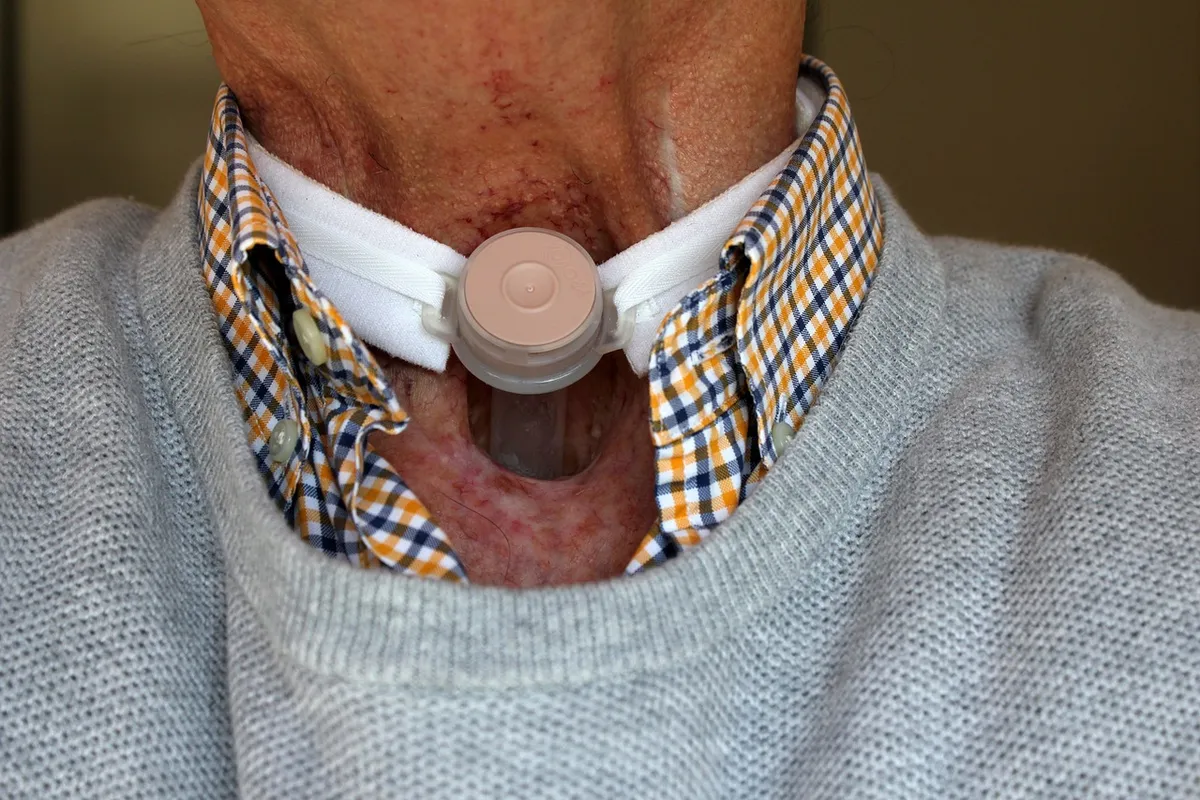
Neurological complications are another significant concern for surgical teams. Stroke occurs in 2–3% of all people undergoing cardiac surgery, and the rate is higher in patients with other risk factors for stroke.
How has technology influenced surgical procedures?
A technician adjusts a robotic arm in a sterile operating room, preparing for a precise movement. Technological advancements have transformed the way surgeons approach complex tasks.
In 1994, AESOP represented a breakthrough in robotic surgery, as it was the first laparoscopic camera holder to be granted the FDA's approval for commercial use. This paved the way for more automated assistance.
Later developments specialized these tools for specific body parts. In 2005, a surgical technique was documented in canine and cadaveric models called the transoral robotic surgery (TORS) for the da Vinci robot surgical system, as it was the only FDA-approved robot to perform head and neck surgery.
What are the limitations of current surgical knowledge?
A researcher looks over data regarding long-term patient outcomes and fertility. Even with advanced technology, certain medical uncertainties remain unresolved.
In 2017, the American Society for Metabolic and Bariatric Surgery stated that it was not clear whether medical weight-loss treatments or bariatric surgery affected subsequent treatments for infertility in both men and women. This highlights the gaps in long-term clinical understanding.

The limitations of these studies often depend on the specific health conditions of the patient population being studied.
The subject here is Pre and Post Surgery Care.
The same subject is also called Surgery before advice.
The same subject is also called Post op recovery tips.
The same subject is also called Pre op instructions.
This part also covers Doctor consultation needed.
This part also covers Warning signs to watch.
This part also covers Recovery after operation.
Doctor consultation needed
Related
- TIA: Heart attack recovery tips for sudden weakness
- Addison's disease diagnosis: Primary insufficiency why
How does the road to recovery differ between procedures?
The road to recovery varies depending on the extent and invasiveness of the surgical procedure performed. While some recoveries are relatively straightforward, others demand prolonged, vigilant post-operative attention.
The recovery monitoring protocol must match the invasiveness of the surgery undertaken. A complex operation, such as open-heart surgery, necessitates a more intensive initial recovery phase compared to a minimally invasive procedure.
The road to recovery is a dynamic process where the body adjusts to the surgical intervention. This adjustment period requires close observation to ensure complete healing and minimize the chance of complications arising post-operation. This careful management is crucial for a successful outcome.
What are the indications for seeking surgical consultation?
A patient seeks surgical consultation when lifestyle modifications alone have proven insufficient to achieve desired health outcomes. The decision to proceed to surgery follows a rigorous assessment phase.
The comprehensive medical and psychological evaluation confirms that the patient has reached a point where surgical intervention offers the most viable path toward significant health improvement. This evaluation is foundational to establishing the appropriateness of the surgical approach.
The indicators for pursuing this advanced treatment are multifaceted, requiring agreement from both the patient and the medical team. This agreement solidifies the commitment to the recovery process.
What are the critical timelines in the recovery process?
The recovery timeline is not a single event but a spectrum of phases beginning before the operation. The initial post-operative phase is often the most acutely monitored.
The initial phase following major surgery demands the highest level of medical oversight to manage immediate physiological responses to the procedure. This acute phase dictates the subsequent path of the road to recovery.
The length of the road to recovery is directly proportional to the complexity of the surgery undertaken. Simple procedures transition through recovery faster than those involving extensive physiological alteration.




Comments 0