Bariatric surgery tips: Surgery before after tips guide
"Preparation is the foundation of successful surgical outcomes, yet understanding the specific criteria and potential complications remains a complex task for many patients."
Surgery before and after care involves understanding specific eligibility criteria, such as BMI thresholds, and recognizing potential complications like stroke or infection. This guide is intended for individuals evaluating surgical options or preparing for recovery.
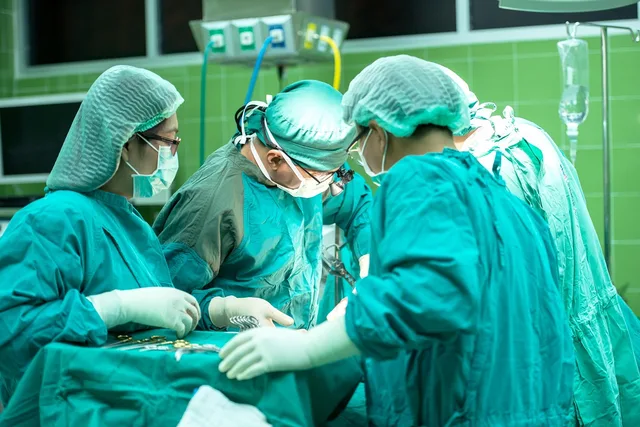
Key takeaways include the historical shifts in bariatric surgery eligibility, the role of robotic advancements in surgical precision, and the necessity of intensive monitoring during the immediate post-operative period.
What are the requirements for bariatric surgery?
A patient sits in a quiet consultation room reviewing medical history and weight metrics. Eligibility for bariatric surgery has evolved through different clinical standards over the decades.
The American Academy of Pediatrics recommends bariatric surgery for adolescents aged 13 and older who have a BMI greater than 120% of the 95th percentile for their age and sex.
According to Wikipedia, the American Academy of Pediatrics also recommends bariatric surgery for adolescents aged 13 and older who have a BMI greater than 120% of the 95th percentile for their age and sex.
However, the effectiveness of the procedure may be limited for individuals who do not adhere to strict dietary guidelines.
How has robotic surgery changed the landscape? Surgery before after tips
A surgeon adjusts a high-definition monitor while controlling a precise robotic arm. The introduction of robotic technology has significantly altered surgical capabilities and precision.
According to the German Aerospace Centre, a robotic system for minimally invasive surgery called the MiroSurge neurosurgical robotic system was presented in June 2008.
When AESOP was introduced in 1994, it represented a breakthrough in robotic surgery as the first laparoscopic camera holder to receive FDA approval for commercial use.
Later, in 2005, a technique called transoral robotic surgery (TORS) for the da Vinci robot surgical system was documented in canine and cadaveric models.
- The surgeon controls the instruments via a console.
- The robotic arms perform precise movements.
- The surgical team monitors the high-definition feed.
How does recovery look after cardiac surgery?
A nurse checks a monitor in a dimly lit intensive care unit while the patient sleeps. The immediate aftermath of major surgery requires constant physiological observation.
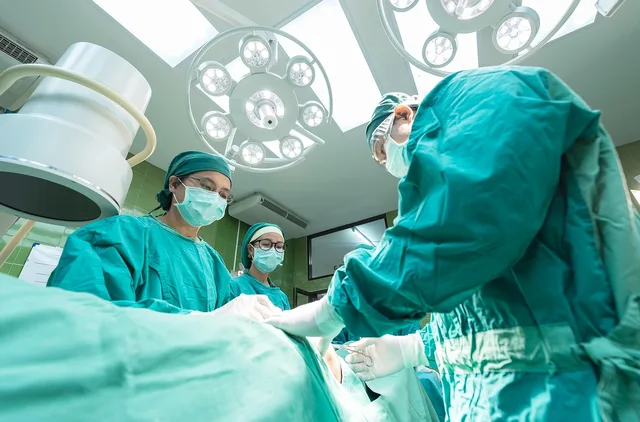
Recovery from open-heart surgery begins with approximately 48 hours in an intensive care unit. During this time, medical staff must closely monitor heart rate, blood pressure, and oxygen levels. This period is vital for catching complications early.
I find that the third phase of healing requires the most patience.
What are the risks associated with cardiac procedures?
A doctor discusses the statistical likelihood of complications with a family member in a hallway. Even with advanced technology, specific risks remain inherent to certain surgical interventions.
The mortality rate for repairs of congenital heart defects is currently estimated to be between 4% and 6%. Additionally, stroke occurs in 2% to 3% of all people undergoing cardiac surgery. This rate is noted to be higher in patients who possess other risk factors for stroke.
However, the risk level varies depending on the patient's overall cardiovascular health.
What complications can occur after surgery?
A patient experiences a sudden spike in temperature and rapid breathing several days after the procedure. While many patients feel fine initially, delayed complications can arise.
For example, a patient might seem fine for 24 hours, only to develop a fever and succumb to mediastinitis three days after the surgery. Such complications emphasize the need for rigorous post-operative observation.
However, these issues are less frequent when patients follow all post-operative protocols.
How do surgery and weight loss affect fertility?
A couple discusses long-term health goals with a specialist during a routine checkup. Understanding the intersection of surgery and reproductive health is a priority for many patients.
In 2017, the American Society for Metabolic and Bariatric Surgery stated that it was not clear whether medical weight-loss treatments or bariatric surgery affect subsequent treatments for infertility in both men and women.
| Surgical Context | Specific Robotic Tool |
|---|---|
| Laparoscopic Camera Holder | AESOP |
| Head and Neck Surgery | da Vinci |
I observed how the precision of the da Vinci system changed the approach to TORS. It is important to note that the impact of surgery on infertility remains an area where medical consensus is not yet established.

However, the impact on reproductive health may be temporary for some patients.
The subject here is Surgery before after tips.
The same subject is also called Pre surgery care guide.
The same subject is also called Post operation advice.
The same subject is also called Surgery prep checklist.
The same subject is also called What to know before.
This part also covers Key points for surgery recovery.
This part also covers Essential before and after care.
This part also covers Managing health around surgery.
Key points for surgery recovery
Related
- Prostate surgery care guide: Tips for 120 BMI recovery guide
- BMI guide 120% best tips pre post surgery care
What is the foundation of surgical success?
Preparation serves as the foundation for successful outcomes by ensuring all eligibility criteria are met. Patients must understand how BMI thresholds and potential complications like stroke or infection impact their specific situation.
How do robotic tools compare to traditional methods?
Robotic systems offer higher precision than traditional methods during specific procedures. For example, the da Vinci system allows for transoral robotic surgery (TORS) in models, whereas the AESOP system functioned as a camera holder.
This comparison highlights how technology alters surgical capabilities.
- The surgeon uses a console to control instruments.
- Robotic arms execute precise movements.
- The surgical team views the high-definition feed.








Comments 0