Post Covid symptoms guide: Tips for best recovery
This guide addresses patients navigating the complex landscape of post-viral recovery and lingering symptoms. It provides a framework for understanding how to monitor health after the acute phase of an illness has passed. Key takeaways include understanding the distinction between acute symptoms and long-term indicators, recognizing when to seek medical intervention, and acknowledging the limitations of self-assessment.
How to use a Post Covid symptoms guide?
At dawn in the kitchen, you trace the lines of a notebook while feeling the weight of the post guide in your hands.

A person sits at a wooden desk, staring at a digital thermometer and a notebook filled with dates. They record a lingering cough that refuses to subside after the fever has vanished. This careful documentation is the first step in a Post Covid symptoms guide.
Managing these persistent issues requires patience and systematic observation. You must track the frequency and intensity of each sensation to provide meaningful data to a healthcare provider. Many patients find that symptoms fluctuate, making a daily log an essential tool for identifying patterns.
The challenge lies in distinguishing between a normal recovery trajectory and a persistent condition. I have seen many individuals meticulously record their breathing patterns to prepare for a consultation.
This organized approach ensures that nothing is missed when discussing your history with a professional.
The process is not without difficulty, as many symptoms remain medically unexplained. It is estimated that between 15% and 30% of all primary care consultations are for medically unexplained symptoms. This reality means that a structured log is vital for clinical evaluation.
- Review your daily symptom patterns.
- Track the frequency of your fatigue.
- Note any changes in your breathing.
Can I check for symptoms after Covid?
A clinician leans forward in a bright office, reviewing a patient's detailed history of fatigue and breathlessness. They compare the current symptoms against established clinical patterns to determine the next steps. This is the essence of a Covid after symptoms check.
When assessing lingering illness, doctors look for specific indicators that differentiate new issues from the initial infection. This involves analyzing whether symptoms are new, if they are worsening, or if they are simply a slow return to baseline.
This diagnostic process is complex and requires professional oversight.

Medical professionals often evaluate the duration and nature of the fatigue or cognitive changes. They may look for specific patterns that suggest a systemic response rather than an acute infection. Understanding these nuances helps in creating a personalized management plan.
The goal is to determine if the symptoms are part of the standard recovery or if they represent a new physiological challenge. This assessment helps prevent unnecessary anxiety while ensuring that potential complications are addressed promptly.
I find that the second step is the most important.
How to Diagnose lingering illness?
In the quiet garden at dusk, you feel a sharp ache in your chest as you read the post guide.
A laboratory technician carefully transfers a sample into a centrifuge, watching the liquid spin at high speeds. They are looking for specific biological markers that can indicate underlying issues. This is how clinicians work to diagnose lingering illness.
According to the Association additionally recommends a diagnosis of, diabetes can be diagnosed for anyone experiencing hyperglycemia symptoms with blood sugar levels at or above 11.1 mmol/L, or glycated hemoglobin (hemoglobin A1C) levels at or above 48 mmol/mol (6.5%).
The process of diagnosing lingering illness involves a variety of clinical assessments and diagnostic tests. Doctors may use imaging, blood work, or specialized functional tests to understand the body's current state. This helps in differentiating between various types of post-viral syndromes.
According to the World Health Organization, diabetes is defined as blood sugar levels at or above 7.0 mmol/L (126 mg/dL) after fasting for at least eight hours, or a glucose level at or above 11.1 mmol/L (200 mg/dL) two hours after an oral glucose tolerance test.
While this specifically relates to diabetes, similar precision is required when testing for other metabolic or inflammatory responses post-infection.
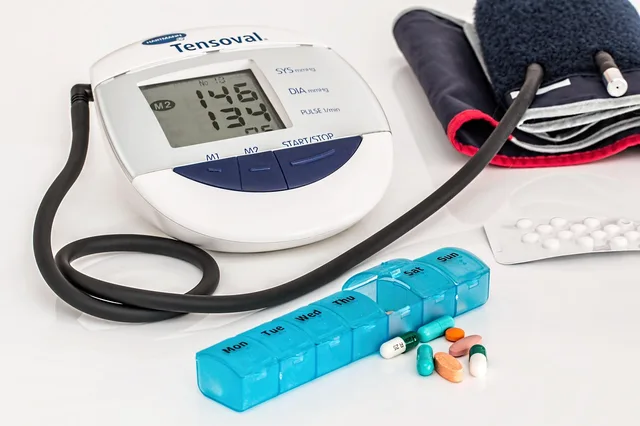
The American Diabetes Association additionally recommends a diagnosis of diabetes for anyone with symptoms of hyperglycemia and blood sugar at any time at or above 11.1 mmol/L, or glycated hemoglobin (hemoglobin A1C) levels at or above 48 mmol/mol (6.5%).
Such specific thresholds highlight the necessity of precise laboratory measurements in clinical diagnosis.
What should I do after Covid?
A patient takes a slow, deep breath, feeling the slight resistance in their chest. They check their oxygen saturation levels and note the time of day. This is the practical application of knowing what to do after Covid.
Managing long term Covid signs involves a multi-faceted approach to health. This includes physical rehabilitation, nutritional support, and mental health considerations. It is important to follow the specific guidance provided by your medical team to ensure a safe recovery.
To manage your recovery, follow these steps: 1. Maintain a detailed symptom diary to track changes over time. 2. Gradually increase physical activity according to your tolerance levels. 3. Consult with your doctor before starting any new supplement or medication.
Always perform a final check of your symptoms before a scheduled appointment. I once observed a patient who reviewed their symptom log specifically to prepare for a follow-up visit. This ensures that the conversation with the doctor is efficient and accurate.
One limitation is that no single test can definitively confirm the presence of all post-viral complications.
When to see a doctor for Covid?
A doctor examines a patient's lungs, listening to the subtle sounds of air moving through the chest. They are checking for signs of inflammation or scarring that may have developed. This is a critical moment when deciding when to see a doctor for Covid.
The decision to seek medical help depends on the severity and nature of the symptoms. While some fatigue is expected, certain "red flag" symptoms require immediate attention. These might include severe shortness of breath or chest pain.

The timing of your consultation is crucial for effective management. If symptoms are not improving or are steadily worsening, professional intervention is necessary. This helps in preventing the progression of any underlying inflammatory responses.
Clinical evaluation is necessary when symptoms interfere significantly with daily activities. Professionals use these sessions to determine if further testing, such as imaging or blood work, is required to rule out other conditions.
| Assessment Type | Clinical Focus |
|---|---|
| Laboratory Testing | Biochemical markers and glucose levels |
| Clinical Observation | Symptom duration and severity |
The same subject is also called Covid symptom management.
This part also covers Testing for post viral issues.
Related
Disclaimer: This article is general information, not medical advice. Consult a qualified healthcare professional before taking any supplement or medication.






Comments 0