COPD Stages Explained: Mild to Very Severe Lung Disease
"Breathing should be as natural as a heartbeat, but for those with COPD, every breath feels like a struggle against an invisible weight."
Chronic Obstructive Pulmonary Disease (COPD) is diagnosed primarily through a lung function test called spirometry, which measures how much air you can exhale and how quickly. It is categorized into stages ranging from mild to very severe based on how much your airflow is restricted.
Key Takeaways * Diagnosis relies on spirometry, specifically looking for an FEV1/FVC ratio of less than 0.70. * The disease is categorized into four stages based on the percentage of predicted lung function.
* Symptoms such as wheezing, chronic coughing, and shortness of breath intensify as the disease moves through its stages. * Environmental factors, such as air pollution in 97% of cities, play a significant role in respiratory health.

What is COPD, and How Is It Diagnosed?
In the quiet clinic, you grip the plastic mouthpiece and feel the heavy pressure building deep within your chest.
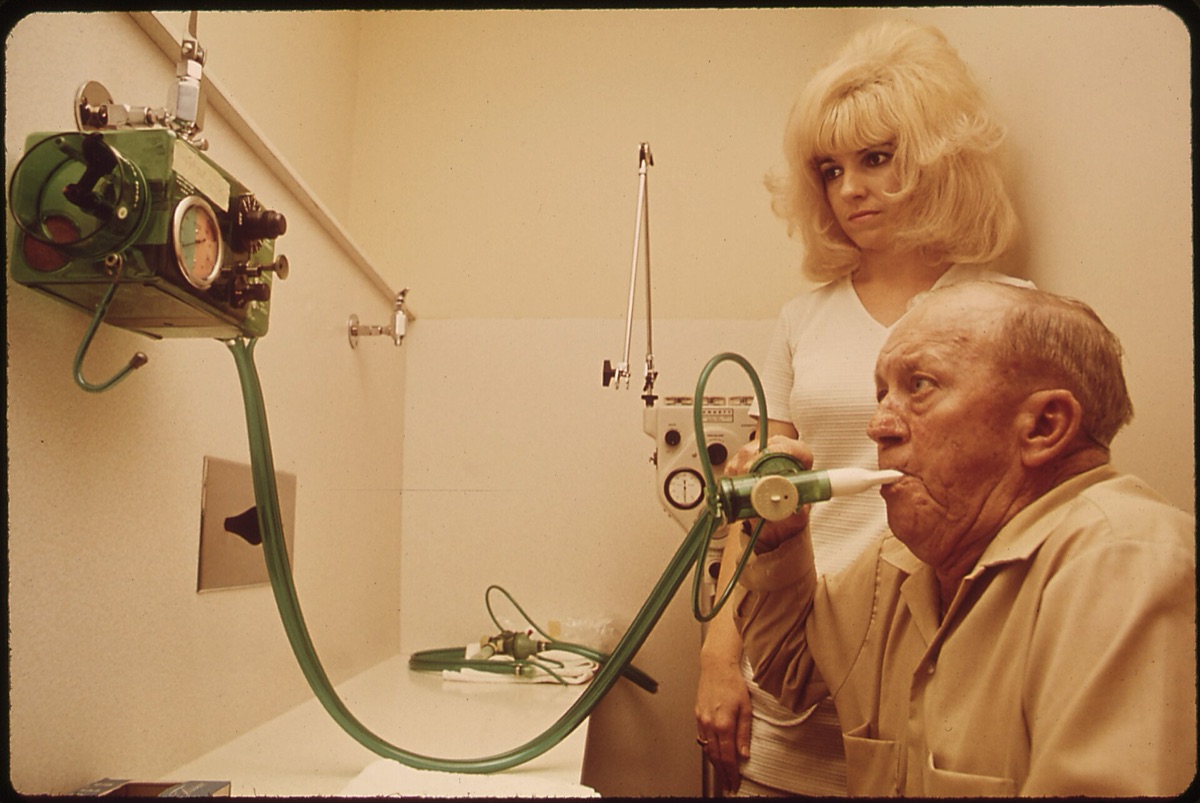
At 10:00 AM, you sit in a sterile clinic exam room, gripping a plastic mouthpiece while a technician counts the seconds. You take a deep breath and blow out with everything you have, feeling the pressure build in your chest as you try to empty your lungs.
COPD is a condition characterized by obstructed airflow that makes it difficult to move air in and out of the lungs. To confirm this, doctors use a test called spirometry.
This test measures two specific values: the Forced Expiratory Volume in one second (FEV1) and the Forced Vital Capacity (FVC). A diagnosis is confirmed when the FEV1/FVC ratio is less than 0.70.
Additionally, the FEV1 is often less than 80% of the predicted value for a healthy person of the same age and height.
While often used interchangeably, COPD generally involves two distinct underlying issues: chronic bronchitis and emphysema. Chronic bronchitis involves long-term inflammation and mucus in the bronchial tubes. Emphysema involves the destruction of the tiny air sacs (alveoli) in the lungs.
In many patients, these two conditions coexist, creating a complex pattern of lung damage. But understanding the diagnosis is only the first step; the real challenge lies in understanding how the disease moves.
What stages of COPD could I be in? The sun sets outside a bedroom window in late 2025, and you are resting on the sofa, feeling a slight tightness in your chest that wasn't there a year ago. You wonder if this is just "getting older" or something more serious.
Doctors use a staging system to determine how much the disease has progressed. This staging is based on the FEV1 percentage of the predicted value.
| GOLD Stage | Severity Level | FEV1 Percentage of Predicted Value |
|---|---|---|
| Stage 1 | Mild | $\ge$ 80% |
| Stage 2 | Moderate | 50% – 80% |
| Stage 3 | Severe | 30% – 50% |
| Stage 4 | Very Severe | < 30% |
The progression of these stages is not random. It is heavily influenced by a person's smoking history and their level of exposure to environmental pollutants.
As the lungs lose their elasticity and the airways narrow, the transition from one stage to the next becomes more apparent in daily activities. However, recognizing the physical signs of this transition is often where people struggle most.
What symptoms should I look for as it progresses? You are walking up a short flight of stairs in your hallway and have to stop halfway, leaning against the railing to catch your breath. You notice a whistling sound, a subtle wheeze, coming from your chest with every exhale.
The symptoms of COPD tend to evolve as the disease moves from mild to severe. In the early stages, a person might only notice a persistent cough or a slight shortness of breath during heavy exercise.
As the disease progresses, the wheezing becomes more frequent, and the shortness of breath may occur even during simple tasks like walking across a room.
It is also important to recognize Asthma-COPD Overlap (ACO). This is a specific variant where a patient exhibits features of both asthma and COPD, resulting in mixed airflow obstruction.
Furthermore, patients often face "acute exacerbations." These are sudden flare-ups where symptoms worsen dramatically, often requiring emergency medical intervention or hospitalization. Knowing these symptoms is vital, but knowing how to manage them is the next step.
How Is COPD Managed in Each Stage?
In the early morning of a Monday in 2026, you sit at your kitchen table, practicing rhythmic breathing exercises while following a guide from your specialist. You focus on controlling your breath to manage the anxiety that often comes with shortness of breath.
Management is not "one size fits all"; it must be tailored to the specific stage of the disease.
- Early Stage (Stage 1): The focus is on prevention and symptom control. This includes avoiding triggers (like smoke or dust), using bronchodilators to open the airways, and sometimes inhaled corticosteroids to reduce inflammation.
- Mid-to-Late Stages (Stages 2–4): Treatment becomes more intensive. Doctors often prescribe long-acting bronchodilators to provide sustained relief. In some cases, phosphodiesterase-4 inhibitors may be used to manage inflammation.
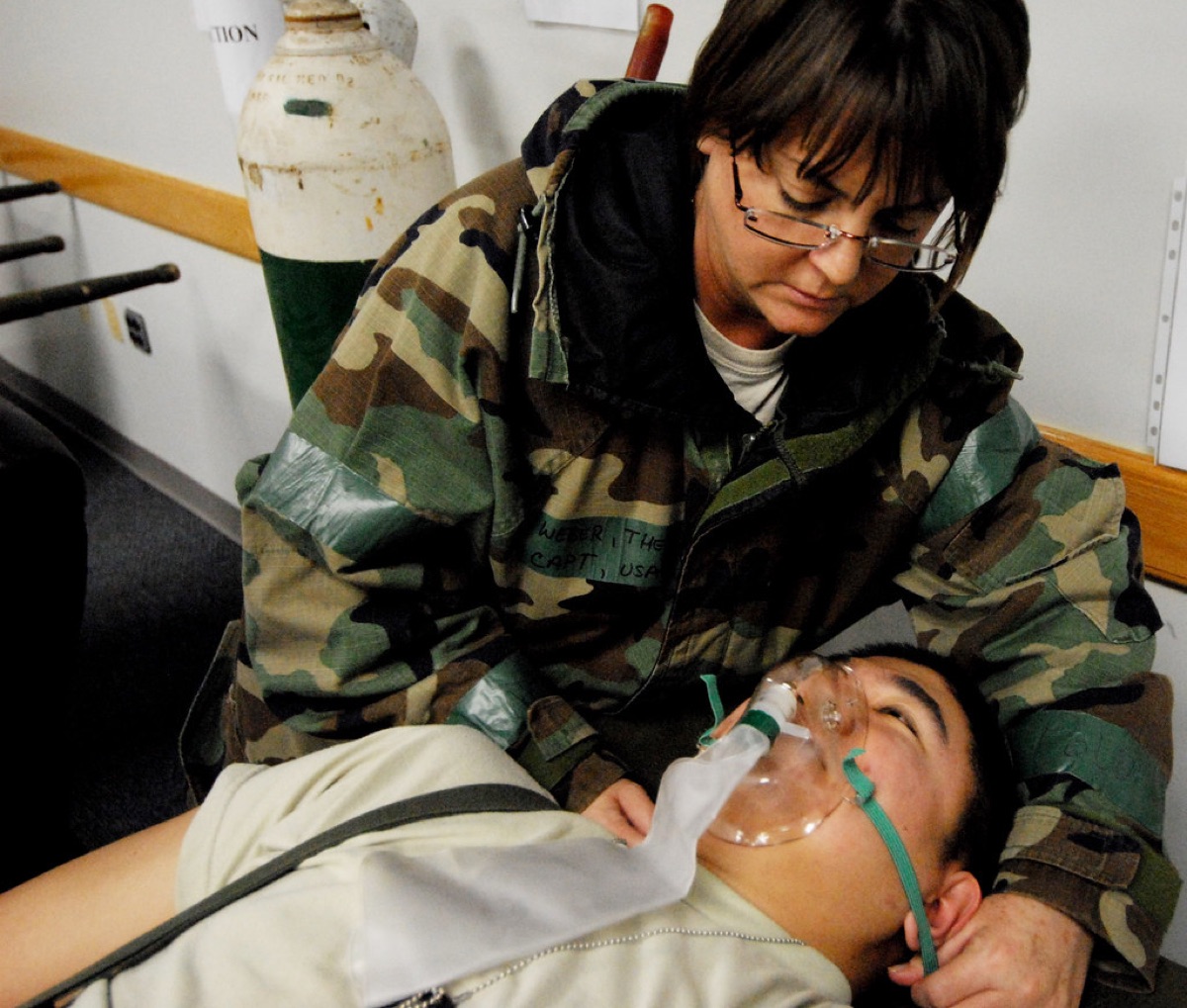
- Advanced Stages (Stage 4): For those with very severe obstruction, oxygen therapy may be necessary to ensure the body receives enough oxygen.
- Universal Support: Regardless of the stage, pulmonary rehabilitation (specialized exercise and breathing training) and staying up to date on vaccinations (such as the flu and pneumococcal vaccines) are critical to prevent complications.
When I first started reading about respiratory health, I thought management was just about taking a pill. I quickly realized that it involves a complete lifestyle shift, from the air you breathe to how you move your body.
*Note: Management strategies focus on slowing progression and improving quality of life; they do not "cure" the underlying lung damage already sustained. This approach may not be suitable for individuals with certain underlying cardiac conditions without direct medical supervision.*
What Is the Global Impact of COPD?
A news report scrolls across a screen in a quiet living room, displaying rising rates of respiratory issues in urban centers. The data shows a trend that affects lives across every continent.
According to the World Health Organization, 38 million deaths a year are attributed to non-communicable diseases. WHO reported that ischemic heart disease is responsible for 13% of the world's total deaths.
According to the CDC, 84% of all health care spending in 2006 was for the 50% of the population who have one or more common chronic medical conditions.
COPD is not just an individual struggle; it is a massive public health burden. The World Health Organization (WHO) reports that non-communicable diseases, which include chronic respiratory conditions, are responsible for 38 million deaths every year.
The economic toll is equally staggering. In 2006, the CDC reported that 84% of all healthcare spending was dedicated to the 50% of the population living with one or more common chronic medical conditions. Environmental factors play a massive role in this trend.
For instance, air pollution—specifically particulate matter—is present in 97% of cities, which serves to exacerbate the condition for those already suffering.







Comments 0