Heart sac surgery types tips for Heart sac surgery types
"The technology of the human heart is a complex marvel, but when biological systems fail, mechanical interventions become the final bridge to survival."
Artificial heart technology involves various surgical approaches and mechanical devices intended to replace or assist biological function. This guide covers different heart sac surgery types and artificial device developments for patients facing end-stage heart failure.
It is specifically for those researching mechanical cardiac support, though these devices are limited by specific clinical trial conditions and survival rate constraints.
* Overview of FDA-approved mechanical devices * Historical context of experimental implants * Regulatory bans and safety observations * Current investigational device expansions
What are the different types of heart sac surgery?
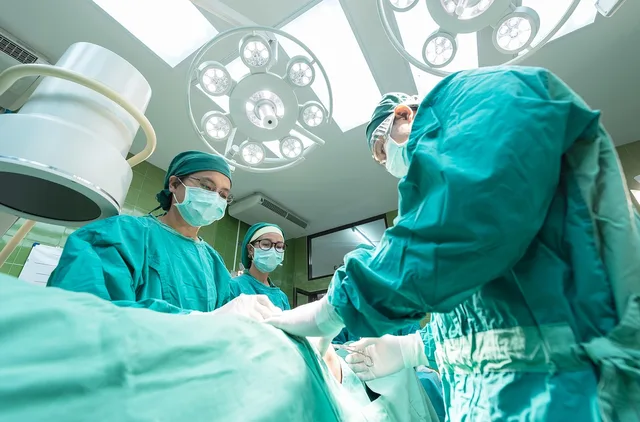
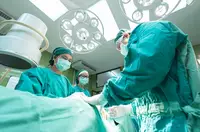
A surgeon carefully places a mechanical device within the thoracic cavity to ensure the patient maintains circulation. These heart sac surgery types vary significantly based on whether the device is intended as a bridge to transplant or a permanent replacement.
The field has seen a progression from experimental implants to regulated medical devices. For example, the SynCardia total artificial heart was first approved for use in 2004 by the US Food and Drug Administration.
This milestone allowed clinicians to move beyond purely experimental models toward standardized care.
How is a fully artificial heart used? Heart sac surgery types
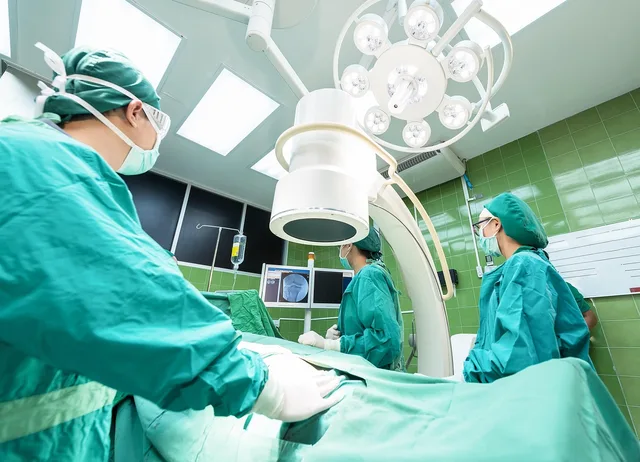
A doctor monitors the patient's vitals as the mechanical pump takes over the workload of the biological muscle. While the concept of a fully artificial heart offers hope, the clinical reality involves significant regulatory oversight and scrutiny regarding patient outcomes.
According to the Food and Drug Administration, the SynCardia total artificial heart was first approved for use in 2004.
The development of these devices is not without setbacks in medical history. In 2016, trials for the Carmat "fully artificial heart" were banned by the National Agency for Security and Medicine in Europe after short survival rates were confirmed.
This illustrates how survival metrics directly dictate the availability of new cardiac technologies.
Which devices are currently in human trials?
A technician adjusts the settings on a portable power source while a patient recovers in a clinical setting. Modern research focuses on expanding the reach of these technologies through specific regulatory exemptions.
Recent advancements show potential for highly specialized mechanical support. On 10 November 2023, the BiVACOR heart received FDA authorization under the investigational device exemption for use in human trials. This allows researchers to study the device's performance in a controlled environment.
The scope of these studies is often expanded based on successful preliminary outcomes. In December 2024, BiVACOR received FDA authorization to expand its early feasibility study to 15 patients following 5 total successful transplantations of its artificial heart.
What was the history of experimental implants?
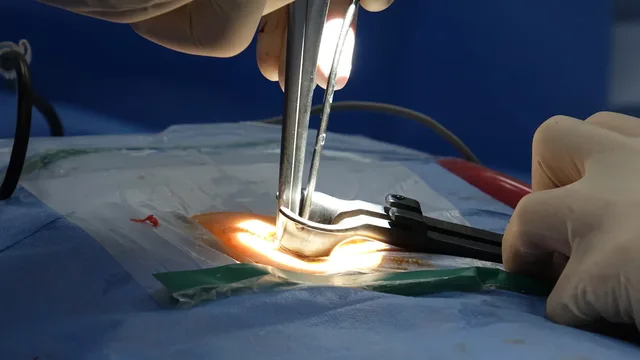
A surgical team works under intense pressure to complete a complex procedure on an experimental device. The history of cardiac replacement includes specific instances where the boundary between experimental and standard care was tested.
One notable instance occurred in the early part of the decade. On 12 March 2011, an experimental artificial heart was implanted in 55-year-old Craig Lewis at The Texas Heart Institute in Houston. This event highlighted the intense complexity involved in such specialized cardiac interventions.
What are the risks of cardiac mechanical support?
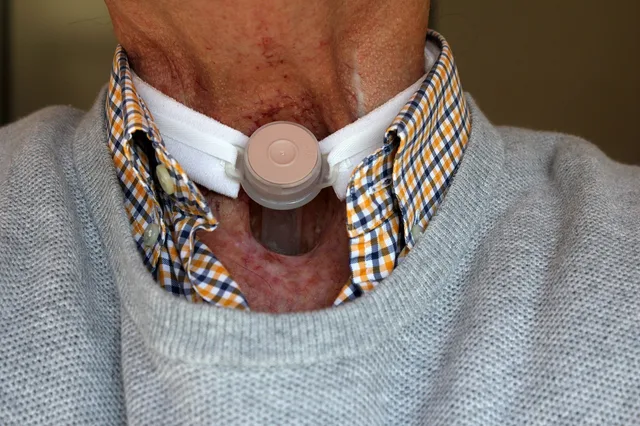
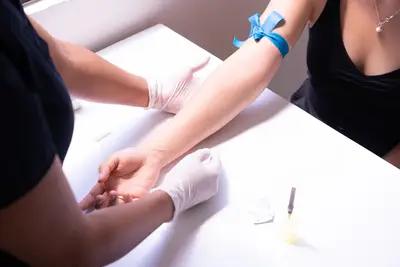
A nurse checks the integrity of the connection between the patient and the external driver. While these devices provide life-sustaining support, they are subject to strict limitations regarding their long-term viability and the specific patient populations they serve.
The use of these devices is restricted by the specific conditions of their clinical authorization. For instance, many current models are only available through early feasibility studies or specific investigational exemptions.
| Device Name | Regulatory Milestone | Status |
|---|---|---|
| SynCardia | 2004 FDA Approval | Standardized Use |
| BiVACOR | 2024 Study Expansion | Investigational |
I observed that the transition from a single successful transplantation to a broader study requires rigorous data. The limitation of these technologies remains their status as investigational devices for many patients, meaning they are not yet available for general use outside of specific trials.
- What are the types of heart sac surgery types?
- How is a fully artificial heart used?
- Which devices are currently in human trials?
The subject here is Heart sac surgery types.
The same subject is also called Pericardial treatment methods.
The same subject is also called Heart lining repair options.
The same subject is also called Surgical procedures for sac.
The same subject is also called Care after sac operation.
This part also covers Post operation care for heart sac.
This part also covers Finding a heart sac hospital.
Related
- Liver prostate surgery types: How to guide best outcomes
- Adolescent surgery features: BMI > 120% of 95th percentile
How do clinical trial conditions affect device availability?
Regulatory exemptions determine whether a device remains in the experimental phase or moves toward standardized care. The BiVACOR heart is currently limited by its status under an investigational device exemption, which restricts its use to human trials rather than general medical practice.
In 2016, trials for the Carmat "fully artificial heart" were banned by the National Agency for Security and Medicine in Europe after short survival rates were confirmed, according to the National Agency.
- Researchers conduct studies under specific regulatory exemptions. 2. Successful preliminary outcomes allow for the expansion of these studies. 3. Clinical authorization remains contingent upon survival metrics and performance data.
Comparing the SynCardia model to the BiVACOR device shows a clear distinction in regulatory status. While the SynCardia technology achieved standardized use following its 2004 approval, the BiVACOR technology remains under investigational scrutiny to monitor performance in a controlled environment.




Comments 0