Aneurysm surgery mechanism how: Managing arterial structure
Understanding the physiological changes and the mental preparation required for a procedure can clarify the path toward long-term health.
Aneurysm surgery mechanism involves structural alterations to the vessel wall to prevent rupture and manage chronic conditions. This guide provides details for patients considering surgical interventions, while noting that specific outcomes depend on individual health status.

Key takeaways include the distinction between surgical protocols, the psychological preparation required for lifestyle changes, and the specific physiological impacts on metabolic health.
How does an aneurysm surgery mechanism work?
At midnight in the sterile operating theater, I feel the cold air brush my skin as the surgeon begins the aneurysm repair.
A surgeon carefully approaches the weakened vessel wall to stabilize the area. This vessel bulge treatment aims to prevent the dangerous expansion that leads to potential rupture.
The primary goal of an aneurysm repair process is to reinforce the arterial structure, often using stents or clips to direct blood flow away from the weakened section.
By managing the pressure within the artery, the surgeon addresses the root cause of the bulge. This specific vessel bulge treatment ensures that the arterial wall remains intact during high-pressure cardiac cycles.
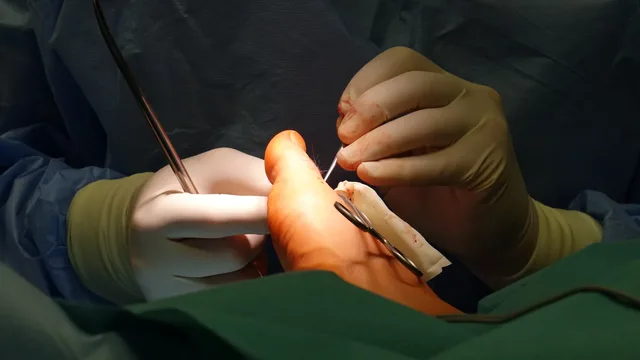
The vessel bulge treatment is a critical step in preventing life-threatening complications.
How exactly is the surgery performed?
A medical team prepares the operating room and monitors vital signs throughout the procedure. The surgical technique details focus on how the surgeon navigates the vascular system to secure the site.
According to the American Academy of Pediatrics, bariatric surgery is recommended for adolescents aged 13 and older with a BMI exceeding 120% of the 95th percentile for age and sex.
This artery sac operation relies on precision to ensure the blood flows correctly without causing further irritation to the vessel.
The surgeon may use several methods to manage the vessel. This artery sac operation requires specialized equipment to stabilize the patient. During the artery sac operation, every movement is monitored to ensure the structural integrity of the surrounding tissues.
How can managing anxiety before surgery help?
A patient sits in a quiet room, contemplating the upcoming changes to their daily life. Effective preoperative anxiety management involves discussing the specific steps of the procedure with a medical professional to demystify the process.

This psychological preparation helps mitigate the stress associated with significant bodily changes.
Addressing these concerns early can improve the overall experience. Many patients find that preoperative anxiety management significantly aids their recovery by fostering a calm mindset. Integrating psychological support into the care plan is a vital part of postoperative care.
How is the recovery psychological care managed?
A nurse checks on a patient in the recovery ward, offering reassurance during the first few hours of healing. Recovery psychological care focuses on the long-term mental adjustments needed after a major operation.
Patients must adapt to new dietary habits and lifestyle restrictions to ensure the success of the intervention.
This transition can be difficult for many. Comprehensive recovery psychological care includes monitoring for signs of depression or anxiety as the patient integrates their new physical reality.
What are the potential limitations?
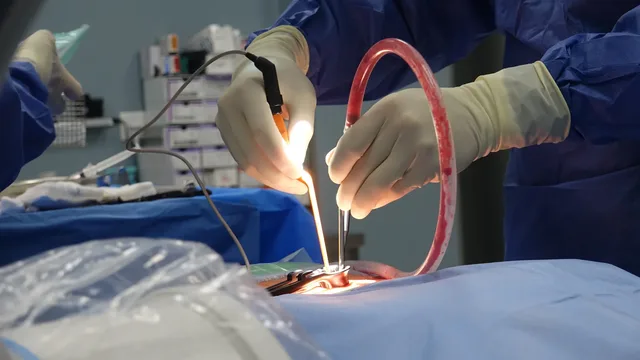
A doctor explains that while surgery is effective, it is not a universal solution for every vascular condition. The effectiveness of these procedures is not established for all patients, particularly those with complex existing comorbidities.
- How does an aneurysm surgery mechanism work?
- What are the specific surgical technique details?
- What is the role of preoperative anxiety management?
The subject here is Aneurysm surgery mechanism.
The same subject is also called Bulge surgery steps.
Related
- Heart sac surgery types tips for Heart sac surgery types
- Liver prostate surgery types: How to guide best outcomes
What are the physiological impacts on metabolic health during recovery?
- Understanding the physiological changes post-intervention reveals how the body adjusts to the structural alterations made during the aneurysm repair.
- The metabolic health impacts relate directly to the overall systemic response following the surgical intervention.
- These changes necessitate careful monitoring because the body undergoes significant adaptation to the reinforced arterial structure.
The physiological impacts on metabolic health underscore the necessity of long-term monitoring after the procedure. This monitoring helps determine if the initial structural repair has positively influenced the patient's overall metabolic state. The body's response to the managed pressure within the artery provides insight into this adaptation.
The distinction between surgical protocols and metabolic outcomes highlights a complex interaction between mechanical repair and systemic function. Patients must understand that the initial physiological changes are part of a broader healing process. This understanding aids in adhering to necessary lifestyle adjustments.
How does the psychological preparation interact with physiological recovery?
- Understanding the physiological changes requires parallel attention to the mental preparation for sustained health management.
- The psychological preparation helps patients cope with the unavoidable lifestyle restrictions stemming from the intervention.
- A calm mindset, fostered by addressing concerns early, supports better physiological integration of the repair.
The interaction between psychological preparation and physiological recovery is symbiotic; mental fortitude aids physical healing. A patient's ability to manage anxiety influences their compliance with dietary habits required for metabolic health. This dual focus is essential for long-term success.
The caution regarding complex existing comorbidities suggests that the psychological burden of managing these conditions alongside recovery can be substantial. The integration of psychological support addresses the patient's perception of their new physical reality. This holistic approach is crucial for positive outcomes.
Disclaimer: This article is general information, not medical advice. Consult a qualified healthcare professional before taking any supplement or medication.








Comments 0