Adolescent surgery features: BMI > 120% of 95th percentile
"The evolution of surgical precision often begins with a single technological breakthrough that changes how clinicians approach complex anatomy."
Bariatric surgery and robotic advancements involve specific eligibility criteria and technological milestones that shape modern medical practice. This guide explores surgical features, eligibility standards, and technological history to clarify how these procedures are defined and applied.
Key takeaways include understanding BMI-based eligibility, the history of robotic surgical systems, and the specific applications of transoral techniques.
What are the historical eligibility standards for bariatric surgery?

A clinician reviews an old medical chart to determine the historical parameters used for patient selection.
Historically, eligibility for bariatric surgery was defined as a BMI greater than 40, or a BMI more than 35 with an obesity-associated comorbidity, as based on the 1991 NIH Consensus Statement. These specific thresholds helped establish early protocols for weight-loss interventions.
The shift in medical standards means that modern guidelines often differ from these historical benchmarks. While these older rules provided a baseline, current clinical practice uses updated growth charts and pediatric-specific metrics.
Understanding these historical shifts is essential for recognizing how surgical criteria have evolved over time.
- Determine the patient's body mass index. 2. Evaluate existing comorbidities. 3. Assess psychological readiness for lifestyle changes.
How do modern guidelines define bariatric surgery for adolescents?
A pediatrician sits with a family to discuss the specific health requirements for a younger patient. The American Academy of Pediatrics recommends bariatric surgery for adolescents 13 and older with a BMI greater than 120% of the 95th percentile for age and sex.

According to the American Academy of Pediatrics, bariatric surgery is recommended for adolescents 13 and older with a BMI greater than 120% of the 95th percentile for age and sex.
This specialized metric ensures that the intervention is appropriate for the developmental stage of the patient.
These specific criteria focus on the unique physiological needs of growing individuals. By using percentile-based measurements, doctors can account for age and sex, which are critical factors in adolescent health. This approach aims to target individuals who meet the highest clinical necessity.
In this sequence, the second step is the most extensive.
What role did early robotic systems play in surgical history?
An engineer examines the mechanical arm of an early laparoscopic device in a museum archive. When publicly introduced in 1994, AESOP represented a breakthrough in robotic surgery, as it was the first laparoscopic camera holder to be granted the FDA's approval for commercial use.
This milestone paved the way for more complex robotic-assisted procedures.

The development of such tools changed the trajectory of minimally invasive surgery. By providing stable camera support, these early systems allowed surgeons to navigate the body with much higher precision.
This technological foundation eventually led to more advanced robotic platforms used in operating rooms today.
How is transoral robotic surgery performed?
A surgeon prepares the surgical field for a specialized head and neck procedure using robotic instrumentation.
In 2005, a surgical technique was documented in canine and cadaveric models called the transoral robotic surgery (TORS) for the da Vinci robot surgical system, as it was the only FDA-approved robot to perform head and neck surgery. This technique allows for access through the mouth.
This method provides a unique way to reach specific anatomical sites without traditional large incisions. Because it was designed for these complex areas, the system offers specialized capabilities for surgeons.
The documentation of these techniques in models provided the groundwork for human clinical application.
What are the uncertainties regarding surgery and fertility?
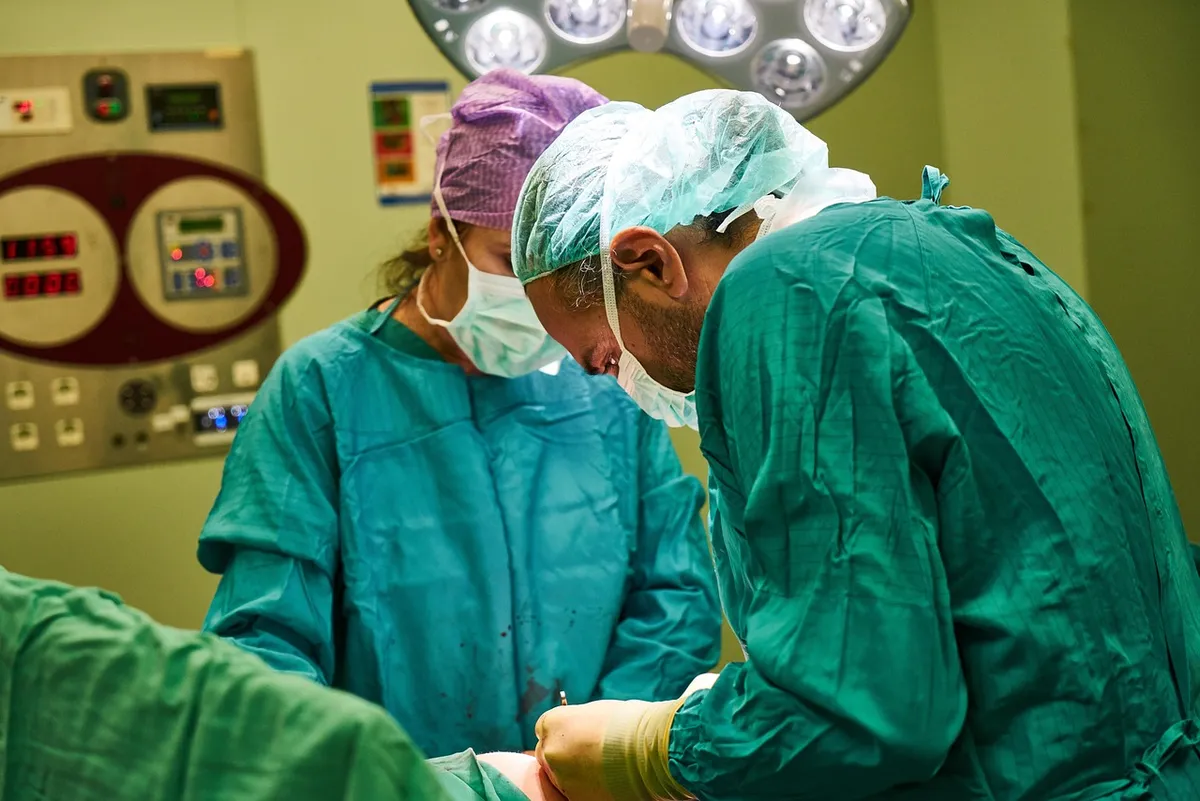
A medical researcher reviews data regarding the long-term physiological effects of surgical interventions.
In 2017, the American Society for Metabolic and Bariatric Surgery stated that it was not clear whether medical weight-loss treatments or bariatric surgery affected subsequent treatments for infertility in both men and women. This uncertainty highlights the complexity of metabolic changes.
Researchers continue to study how significant weight changes influence reproductive health. While surgery addresses immediate metabolic needs, the secondary effects on hormonal balance remain a subject of investigation.
Clinicians must consider these variables when counseling patients on long-term health outcomes.
How can clinicians manage surgical data and technological limits?
A researcher organizes a database of various robotic systems and their specific medical applications.
| System Feature | Historical Context |
|---|---|
| AESOP Camera Holder | First FDA-approved laparoscopic camera holder (1994) |
| TORS Technique | Documented in canine/cadaveric models (2005) |
I compared these historical milestones to understand how specific tool approvals changed surgical capabilities.

- Review the patient's current BMI against updated clinical guidelines. 2. Evaluate the specific surgical approach, such as robotic-assisted or traditional methods. 3. Verify the technological capabilities of the equipment to ensure it meets the procedural requirements. 4. Perform a final check of the patient's eligibility against current medical society standards.
A limitation of these findings is that specific outcomes vary based on the individual's unique health condition and the specific medical technology used.
- What are the historical eligibility standards for bariatric surgery?
- How do modern guidelines define bariatric surgery for adolescents?
- What role did early robotic systems play in surgical history?
Related
- Surgery care: 48 hours Pre and post surgery care guide
- Managing heat mortality and diabetes: Why monitor vitals
How does the evolution of surgical approaches compare to initial technological limitations?
The initial technological limitations of early robotic systems contrast sharply with the advanced capabilities seen in modern surgical evolution. The AESOP camera holder, while groundbreaking in 1994, represented the starting point for robotic intervention.
This early device provided the foundational stability necessary for subsequent complex robotic procedures.
The TORS technique, documented in models in 2005, showcases a further advancement in surgical evolution. This procedure pushed the boundaries of minimally invasive access, demonstrating how technology could overcome anatomical constraints.
These milestones illustrate the steady progression of surgical evolution, moving from proof-of-concept to refined clinical application. The initial hurdles faced by the technology informed the development of subsequent, more capable systems.
What cautions accompany the long-term application of surgical evolution?
A caution regarding the long-term application of surgical evolution involves the unknown effects on fertility.
The 2017 statement from the American Society for Metabolic and Bariatric Surgery cautioned that the effects of bariatric surgery on subsequent infertility treatments were not entirely understood. This uncertainty underscores the need for careful patient counseling regarding future health outcomes.
The comparison between the initial BMI thresholds and modern percentile-based assessments shows a parallel evolution in both the intervention and the required technical sophistication.
The initial BMI criteria guided the initial surgical evolution, while modern metrics guide the current surgical evolution.







Comments 0