Thyroid nodule symptoms: Prevalence reaches 65% in adults
"Up to 65% of adults have small nodules in their thyroids, but typically under 10% of these nodules are found to be cancerous."
Thyroid nodule prevalence reaches 65% in the general population, meaning most people will encounter a lump during routine screening. While these growths are common, understanding the difference between benign lumps and those requiring medical intervention is essential for effective management.
This guide covers types of nodules, monitoring strategies, and when to seek further evaluation.
Key takeaways: * Most nodules are benign, with cancer representing less than 10% of cases. * Management often involves serial ultrasounds for small or unclear nodules. * Papillary thyroid cancer is the most frequent subtype, often diagnosed in young females.
How common are thyroid nodule symptoms?

As she swallowed her morning coffee in the kitchen, a subtle pressure against her throat made her wonder about her thyroid.
A person feels a slight fullness in the neck while swallowing a glass of water. This common sensation often leads to a checkup to determine the cause of the lump.
International Sympos, thyroid nodules were identified in 41.0% (n = 82) of participants, with no significant gender differences (p = 0.839).
International Sympos, thyroid nodules were identified in 41.0% (n = 82) of participants, with no significant gender differences (p = 0.839).
Thyroid nodule prevalence reaches 65% in the general population, according to the Medical science monitor: international medical journal of experimental and clinical research (2024).
Because such a high percentage of adults have these growths, finding a nodule is frequently a routine clinical discovery. Most of these findings do not lead to malignancy.
The prevalence of these growths is quite high. In a specific study, thyroid nodules were identified in 41.0% of participants, with no significant gender differences reported in Hemodialysis international (2025).
This suggests that anyone, regardless of gender, should be aware of how to monitor neck changes.
Many people discover nodules during routine physical exams without experiencing any physical sensations.
What kind of thyroid nodule do I have? A physician points to a colorful diagram of the thyroid gland during a consultation. The shapes and colors represent different histological classifications of growths.

Thyroid cancer types vary significantly in their behavior and frequency. Papillary thyroid cancer accounts for 75% to 85% of cases and is more often diagnosed in young females, offering an excellent prognosis.
Follicular thyroid cancer represents 10% to 20% of cases and is occasionally seen in people with Cowden syndrome.
Other rarer forms include medullary thyroid cancer, which makes up 5% to 8% of cases and involves parafollicular cells. Anaplastic thyroid cancer is much rarer, constituting only 1% to 2% of cases, but it is responsible for 20% of thyroid cancer deaths.
This type is characterized by a severe course with a median survival of 6.5 months.
Nodules can be solid, cystic, or a combination of both.
International Sympos, the 2009 record includes 41.0%.
International Sympos, the 2009 record includes 41.0%.
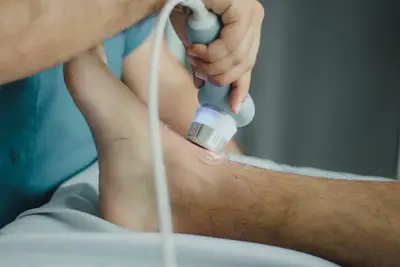
When do I need to monitor my thyroid nodule? A technician moves an ultrasound probe across a patient's neck, capturing images of a small growth. The screen shows a clear, localized mass.
If ultrasound results are equivocal or unclear, or if the thyroid nodule is small, the nodule can be monitored over time with serial ultrasounds. Specifically, if a nodule is typically less than 1 cm, doctors often opt for observation rather than immediate invasive procedures.
This watchful waiting helps manage low-risk cases without unnecessary intervention.
Monitoring strategies depend heavily on the size of the mass. For example, papillary microcarcinoma is a subset of papillary thyroid cancer defined as a nodule measuring less than or equal to 1 cm.
Interestingly, 43% of all thyroid cancers and 50% of new cases of papillary thyroid carcinoma are categorized as papillary microcarcinoma.
- Schedule regular ultrasound imaging to track size changes.
- Perform periodic blood tests to check hormone levels.
- Keep a log of any new physical sensations.
How do I handle a neck lump check?

A patient sits in a quiet exam room, waiting for the results of a recent biopsy. The tension in the room is palpable as they prepare to discuss the findings.
Managing a new discovery involves three primary steps: 1. Initial assessment via physical examination and ultrasound. 2. Determining the need for fine-needle aspiration if the nodule meets certain size or appearance criteria. 3.
Establishing a long-term follow-up schedule based on the clinical characteristics of the nodule.
I remember looking at an ultrasound report and feeling a sense of relief when the doctor explained that the small size allowed for simple observation. For many, the process is about distinguishing between a routine finding and a clinical priority.
A final check of the ultrasound's sensitivity and specificity helps guide these decisions.
| Feature | Papillary Thyroid Cancer | Anaplastic Thyroid Cancer |
|---|---|---|
| Case Frequency | 75% to 85% | 1% to 2% |
| Clinical Profile | Excellent prognosis | Severe course |
In this sequence, the second step is the most critical.
When is thyroid nodule management more urgent?
A doctor reviews a pathology report, noting specific genetic markers that indicate a need for a more aggressive approach. The atmosphere shifts from routine to serious.
The Association (JTA) criteria, derived from a large cohort of patients with thyroid storm in Japan and published in 2012, provide a qualitative method to determine the probability of thyroid storm, according to the Association (JTA) criteria.
In certain cases, the nature of the growth necessitates immediate action. Medullary thyroid cancer, which accounts for 5% to 8% of cases, is often part of multiple endocrine neoplasia type 2.

Mutations in the genes for MenA and Men2B in multiple endocrine neoplasia are responsible for 25% of medullary thyroid cancers.
Urgency is also dictated by the clinical course of the cancer. While most thyroid cancers have a favorable outlook, the aggressive nature of some types requires rapid intervention. For instance, the median survival for anaplastic thyroid cancer is only 6.5 months.
Urgency typically arises when a nodule causes difficulty swallowing or breathing.
Wikipedia: Potassium iodide Based on the retained excerpt mentioning World Health Organization: Researchers at the World Health Organization accurately located and counted the residents with cancer from Chernobyl and were startled to find that "the increase in incidence [of thyroid cancer] has been documented up to 500 km from the accident site...
Related
- Pre-op Checklist: 5 Essential Steps for Surgical Success
- Heart Attack Symptoms: Learn to Recognize the Warning Signs
What influences the need for immediate intervention?
The need for prompt action arises when the nodule exhibits concerning characteristics or when the cancer type is inherently aggressive. Certain malignancies, like medullary thyroid cancer, are linked to specific genetic syndromes, prompting a more watchful approach.
Furthermore, the rapid progression seen in anaplastic thyroid cancer mandates swift medical attention due to its poor prognosis.
For adults presenting with nodules, the initial assessment guides the subsequent steps. If the nodule is small and presents with benign features, observation is often the chosen path.
However, if the ultrasound reveals suspicious features or the nodule is large, a more aggressive follow-up becomes necessary to ensure proper management.
Rapid growth or suspicious features on imaging often dictate the need for faster clinical action.





Comments 0