Stroke symptoms 35%: Guide to brain attack
"A neurological deficit of cerebrovascular cause that persists beyond 24 hours or is interrupted by death within 24 hours."
This guide covers how to identify warning signs, the importance of immediate action, and how lifestyle factors like excessive work hours impact risk.
* Monitor risk factors such as sleep apnea and extreme work hours. * Act immediately when sudden weakness or brain attack signs appear.
What defines a stroke event?
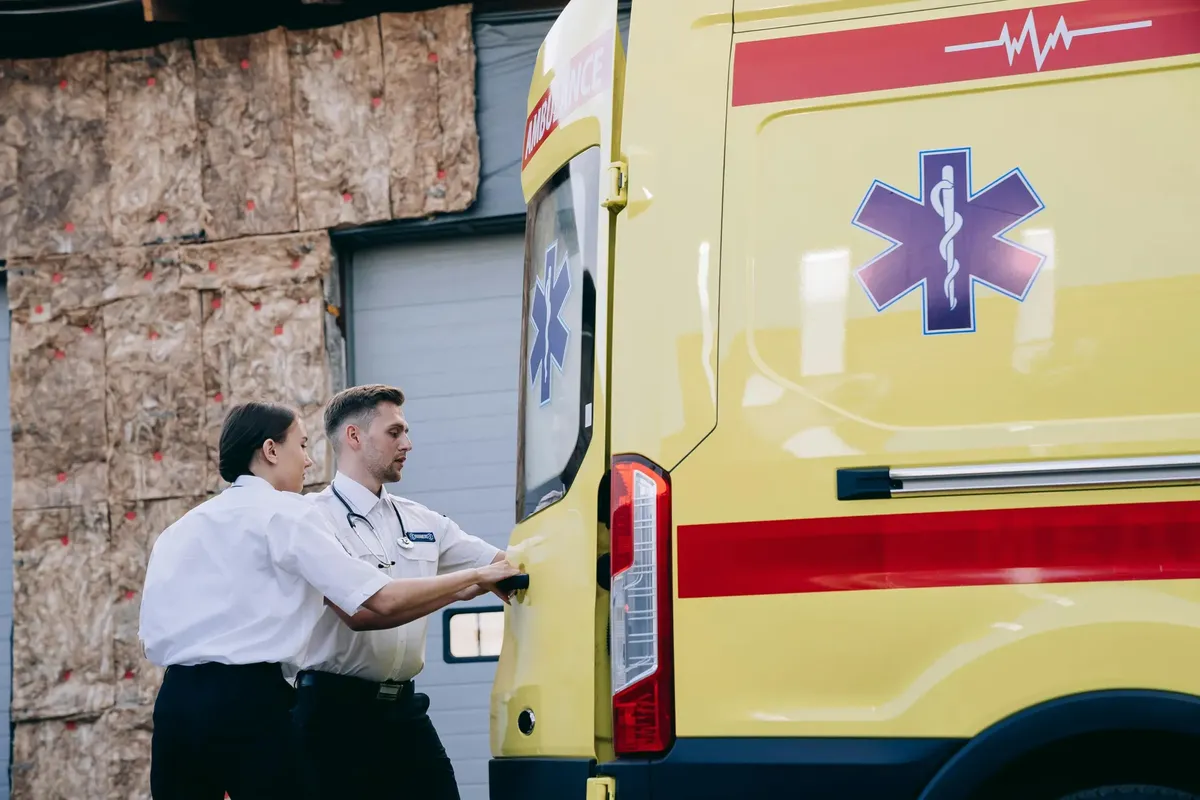
At midnight in the quiet study, he stares at his motionless hand and feels the sudden, terrifying weight of a stroke.
A person sits at a desk, suddenly unable to move a hand, staring at a ticking clock. Understanding the medical definition helps clarify what constitutes a medical emergency.
According to the World Health Organization in the 1970s, a stroke was defined as a neurological deficit of cerebrovascular cause that persists beyond 24 hours or is interrupted by death within 24 hours.
While the term itself is centuries old, this definition focuses on the lasting impact of the neurological deficit. Recognizing these sudden changes is the first step in stroke initial action.
How do work hours influence stroke risk? Stroke symptoms emergency
Under the harsh fluorescent lights of the office at midnight, he rubs his aching temples and fears the sudden onset of a stroke.
An office worker stays late, under bright lights, while the rest of the city sleeps. Long hours can significantly alter physiological health and vascular stability.
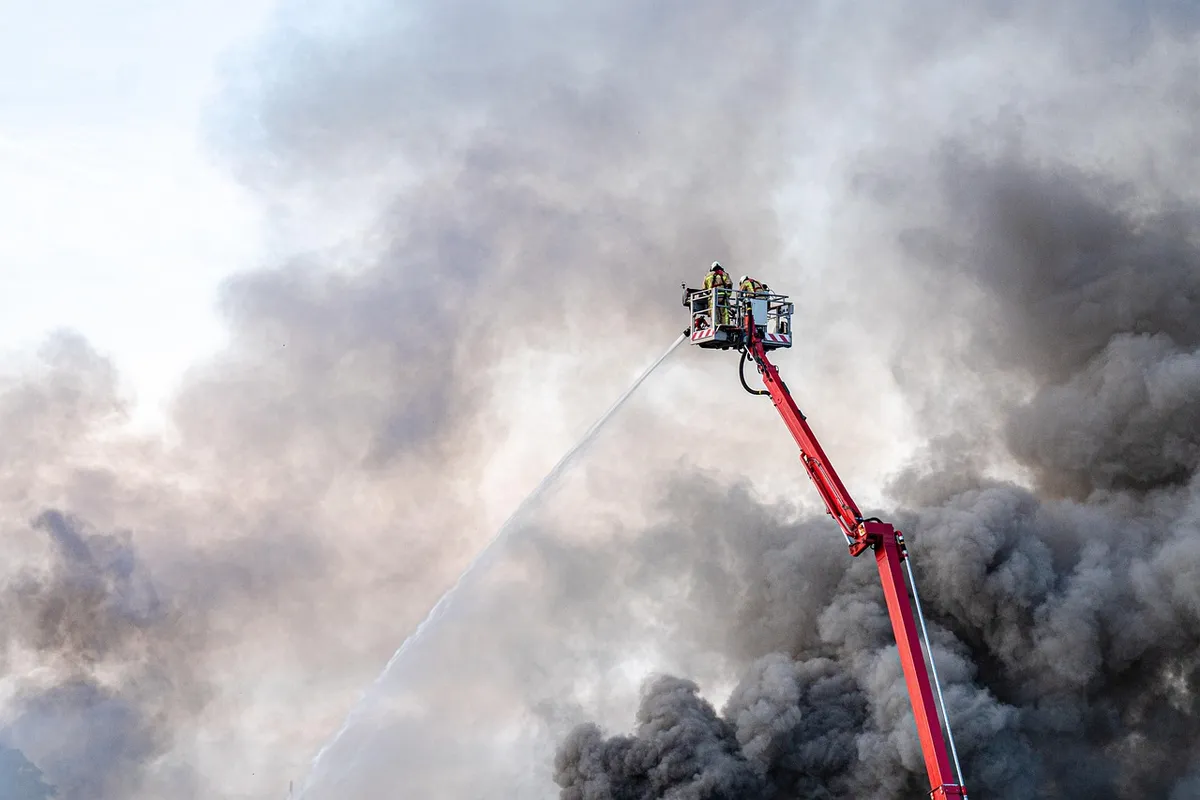
Working excessive hours can lead to dangerous health outcomes. According to a 2021 WHO study, working 55+ hours a week raises the stroke risk by 35% and the risk of dying from heart conditions by 17%, when compared to a 35–40-hour week.
This data highlights how much lifestyle-driven stress correlates with cerebrovascular events. Maintaining a balanced schedule may be a vital part of stroke symptoms emergency prevention.
What is a silent stroke?
A person walks through a hallway, feeling slightly off but noticing no obvious physical impairment. Sometimes, the most dangerous events leave no visible trace.
Some individuals may experience a silent stroke without obvious outward symptoms. Certain groups are at increased risk for having a silent stroke according to a study released at the American Stroke Association's International Stroke Conference 2011.
Because these events may go unnoticed, understanding stroke signs fast help becomes even more critical for long-term health.
A patient lies in a hospital bed, breathing through a mask during a sleep study. Sleep-related issues can be a hidden driver of neurological damage.
In the study presented at the American Stroke Association's International Stroke Conference 2012, the higher the apnea-hypopnea index, the more likely patients had a silent stroke. This connection suggests that breathing irregularities during sleep are linked to silent neurological deficits.

Keeping an eye on sleep health is an essential part of recognizing stroke signs fast help.
How to manage sudden neurological changes?
A family member notices a sudden loss of balance and calls for medical assistance immediately. When symptoms appear, the priority shifts to rapid assessment and professional intervention.
If you suspect a medical emergency, follow these steps: 1. Identify sudden neurological deficits, such as weakness or speech issues. 2. Seek professional medical help immediately to address the cerebrovascular cause. 3. Note the exact time the symptoms first appeared for medical staff.
I remember watching a clock while waiting for the ambulance to arrive after a sudden onset of symptoms. Sudden weakness help is best sought through professional emergency services rather than waiting for symptoms to pass.
| Risk Factor | Impact Level |
|---|---|
| Working 55+ hours/week | 35% higher stroke risk |
| Working 55+ hours/week | 17% higher heart death risk |
A limitation of these guidelines is that they cannot predict the specific timing of an individual's unique neurological event.
- Recognizing stroke symptoms fast help is the most critical factor in survival and recovery.
- Key takeaways:
- * Identify neurological deficits that persist or cause sudden death.
- The World Health Organization defined a stroke as a neurological deficit of cerebrovascular cause that persists beyond 24 hours or is interrupted by death within 24 hours.
This part also covers Recognize stroke signs.
This part also covers Act fast for stroke.
This part also covers When to call help.
Recognize stroke signs
Related
- Knee pain causes: Guide to joint degeneration stages
- Thyroid nodule symptoms: Prevalence reaches 65% in adults
Why is prompt action crucial in stroke management?
Prompt action is critical because the brain undergoes irreversible damage during a stroke. The quicker medical professionals can assess the neurological deficit, the greater the chance of mitigating long-term effects.
- Recognizing the sudden onset of symptoms allows for immediate activation of emergency protocols. 2. The time elapsed since symptom appearance influences treatment efficacy. 3. Seeking help promptly addresses the underlying cerebrovascular cause before significant deterioration occurs.
What factors heighten the risk of a silent stroke?
Certain physiological conditions increase the likelihood of an undetected cerebrovascular event. These underlying issues can silently contribute to a severe neurological deficit.
- Sleep apnea contributes to the possibility of a silent stroke. 2. The apnea-hypopnea index serves as a measurable indicator of breathing irregularities during sleep. 3. These breathing issues during sleep are linked to silent neurological deficits.
How does the timing of symptoms matter?
The time elapsed since the onset of symptoms is a crucial factor in determining treatment options. Prompt recognition of the sudden neurological deficit allows medical teams to initiate time-sensitive interventions.
This rapid assessment directly impacts the potential for recovery from the cerebrovascular event.
- The immediate recognition of the sudden onset of symptoms triggers the activation of emergency medical protocols. 2. The duration between symptom appearance and medical evaluation affects the success of treatment. 3. Addressing the cerebrovascular cause without delay maximizes the chance of favorable outcomes.
Are there specific conditions that increase vulnerability?
Certain physiological states increase the susceptibility to an undetected cerebrovascular event. These underlying conditions can silently contribute to a significant neurological deficit.
- Sleep apnea represents one condition that raises the possibility of a silent stroke. 2. The apnea-hypopnea index functions as a quantifiable measure of breathing disturbances during sleep. 3. These breathing abnormalities occurring during sleep are connected to silent neurological deficits.







Comments 0