Knee pain causes: Guide to joint degeneration stages
"Patellofemoral pain typically affects people younger than 40 years who are physically active and has a lifetime prevalence of approximately 25%." — JAMA (2023)
Understanding knee pain causes requires distinguishing between active lifestyle injuries and progressive degenerative changes. This guide covers the stages of joint degeneration, management strategies, and the reality of surgical interventions for those facing chronic discomfort. 1. Recognize the difference between patellofemoral pain and osteoarthritis. 2. Identify symptoms like swelling and reduced range of motion. 3. Understand the role of medication and surgical decision-making. * Learn about the prevalence of joint issues across different age groups.
How can I distinguish between patellofemoral pain and osteoarthritis?
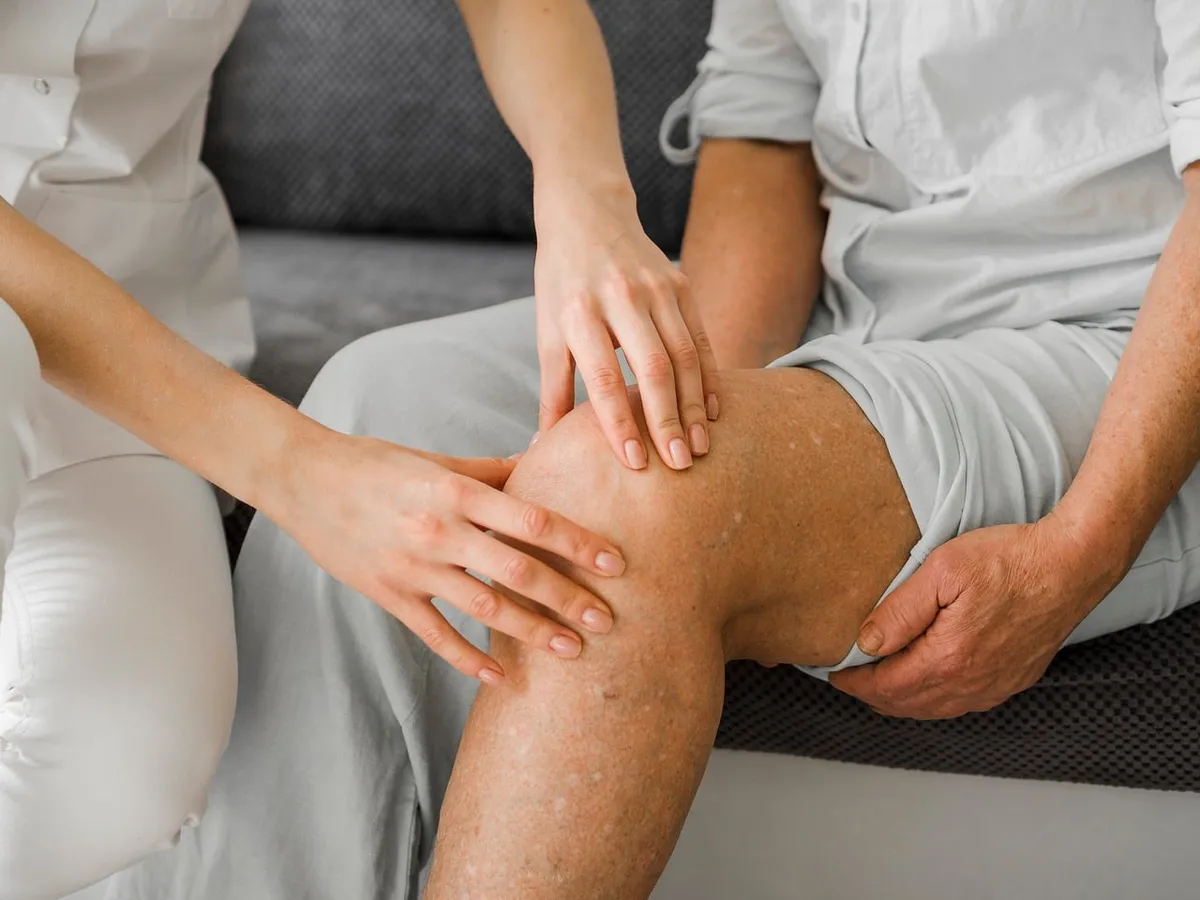
A person sits on a gym bench, rubbing a sore knee after a morning run. While muscle soreness is common, certain types of discomfort suggest deeper joint issues.
Patellofemoral pain typically affects people younger than 40 years who are physically active and has a lifetime prevalence of approximately 25%, according to JAMA (2023). This type of discomfort often presents differently than degenerative conditions.
Unlike temporary injuries, these degenerative changes represent a permanent shift in joint health.
Distinguishing between these two is the first step in treating knee joint pain. Identifying whether the issue is mechanical or degenerative helps guide the next steps in care.
What symptoms will I experience as my joints degenerate? Knee pain causes At dawn, she limps up the steep driveway while a sharp, grinding sensation radiates through her swollen knee.
A person climbs a flight of stairs, feeling a sharp catch in the knee joint. The movement is stiff, and the joint feels less fluid than it did a year ago.
The progression of joint issues often begins with subtle changes in how the joint moves. As cartilage wears down, the physical manifestations become more obvious to the individual.
One common sign is the loss of flexibility and the presence of swelling. These symptoms indicate that the articular cartilage is undergoing changes that affect the joint's natural mechanics.
Managing these symptoms involves addressing the underlying cause of the discomfort. Early intervention can help manage the progression of the condition.
How can I best manage my knee pain? A person walks through a park, testing the weight-bearing capacity of their legs. They balance the need for activity with the necessity of protecting the joints.
Effective management often involves a combination of lifestyle changes and medical interventions. For some, the focus is on maintaining mobility, while for others, it is about reducing acute pain.
One approach is through medication. In November 2010, the FDA approved duloxetine to treat chronic musculoskeletal pain, including discomfort from osteoarthritis and chronic lower back pain. This provides an option for those seeking pharmacological relief.
Another approach involves education and self-management. Education is helpful in self-management of arthritis and can provide coping methods leading to about 20% more pain relief when compared to NSAIDs alone.
The goal of knee pain management is to maintain as much function as possible. While some methods focus on immediate relief, others aim for long-term stability.
When should I consider surgical intervention for advanced knee care?
An elderly patient sits in a consultation room, discussing surgical options with a specialist. The conversation focuses on quality of life and the necessity of replacement.
Surgical decisions are often reached when conservative treatments no longer provide adequate relief. For many, replacement becomes a necessity to regain basic mobility.
More than 90% of hip and knee joint replacements are due to osteoarthritis. This high percentage highlights the primary driver behind surgical procedures in older populations.
Because replacement is increasingly considered for patients younger than 55 years, improved decision making about whether a patient should undergo the procedure is needed, according to the Lancet (London, England) (2012).
This highlights the complexity of timing surgery for younger, active individuals.
I remember discussing these options during a clinical observation, where the balance between surgical risk and mobility gains was the central theme.
To navigate these decisions, follow these steps:
- Evaluate the severity of pain and its impact on daily activities. 2. Consult with a specialist to weigh the benefits of replacement against conservative management. 3. Assess the long-term goals for mobility and activity levels.
Always perform a final check of your surgical readiness and recovery expectations with your medical team.
How common are these joint issues in the general population?
A person looks at a demographic chart, noting the wide range of people affected by joint issues. The numbers reflect a global health reality.
According to the International journal of radiation biology, knee osteoarthritis is a prevalent chronic condition characterized by progressive damage to the articular cartilage, resulting in chronic pain, swelling, and reduced range of motion with a range of prevalence of 10-40%.
The prevalence of these conditions varies significantly based on age and gender. Understanding these statistics helps put individual experiences into a broader context.
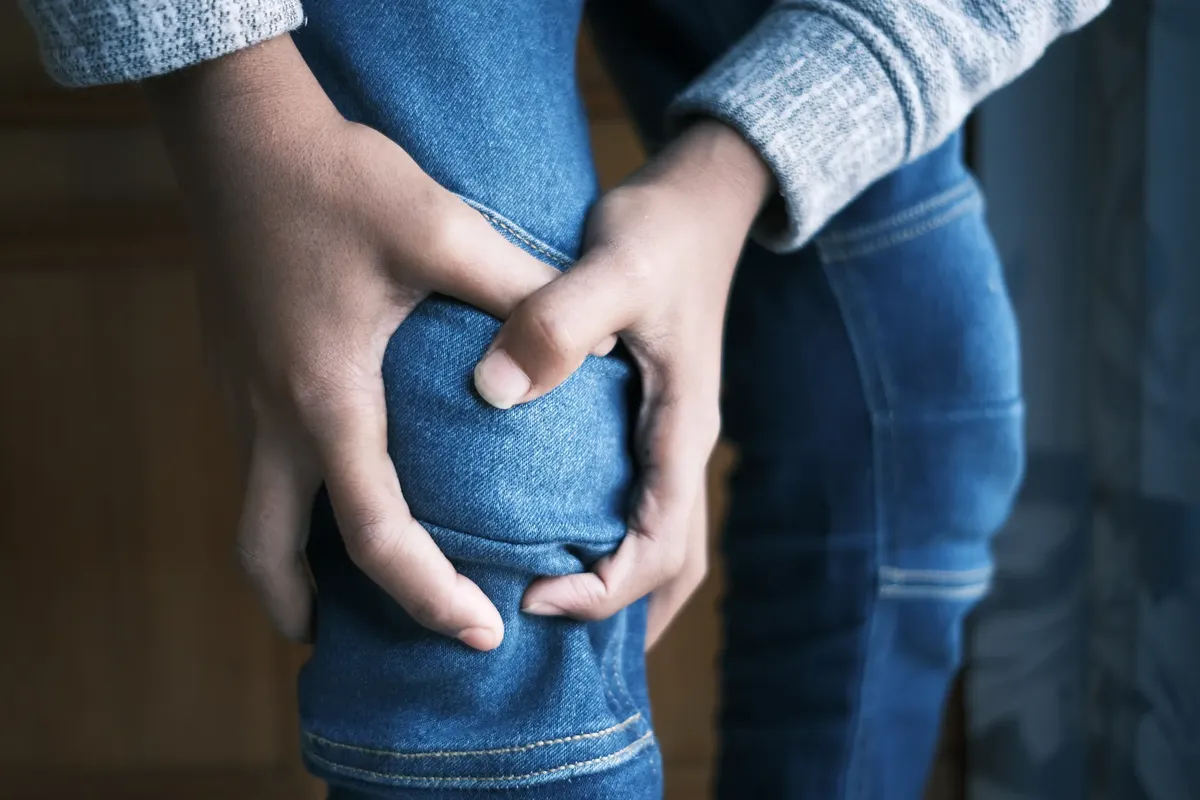
Osteoarthritis is the most common form of arthritis, affecting about 237 million people or 3.3% of the world's population as of 2015. This widespread impact makes it a major global health concern.
Among those over 60 years old, about 10% of males and 18% of females are affected. This demographic breakdown shows how gender and aging influence the likelihood of developing these conditions.
Understanding these trends can help in recognizing the importance of preventive care and early detection.
The subject here is Knee pain causes.
The same subject is also called Osteoarthritis early signs.
The same subject is also called Joint degeneration stages.
The same subject is also called Trouble with knee pain.
This part also covers Preventing knee joint issues.
Related






Comments 0