Pre-Surgery Prep: 5 Steps for Optimal Health Outcomes
"Preparation is the bridge between anxiety and a successful outcome."
If you are facing an upcoming procedure, the period before you enter the operating room is just as important as the surgery itself. Success depends on a combination of physical preparation, strict adherence to fasting rules, and clear communication with your surgical team.
Key Takeaways * Pre-surgery preparations include providing a full medical history, completing lab tests, and utilizing standardized checklists. * Fasting guidelines (typically 6–8 hours for solids) and medication adjustments (like stopping anticoagulants) are critical for safety.
* Communication with medical staff ensures you understand risks, the procedure, and your recovery plan. * Evidence-based practices, such as using chlorhexidine or aromatherapy, can improve safety and reduce patient anxiety.

How should I prepare before my surgery? I remember sitting in a sterile waiting room, clutching a folder of paperwork, feeling the weight of every question I hadn't asked yet. The fluorescent lights seemed too bright as I realized my preparation was more than just showing up on time.
When I tried this myself for a minor procedure, I spent the evening before sitting at my kitchen table, meticulously organizing my current list of vitamins and supplements. I realized that "knowing" my history wasn't enough; I had to be able to present it clearly to the nurse.
Effective preparation begins with a comprehensive review of your medical history. You must share every medication you take, including vitamins and herbal supplements, along with any known allergies and chronic conditions like diabetes or hypertension.
Standardized tools are also vital for reducing errors. According to Cureus (2019), "Use of the proforma improved preoperative patient preparation by 50% compared to the level of preparedness when no proforma was used".
In addition to history, you will need several diagnostic tests. These typically include blood work to check your complete blood count and coagulation profile, as well as imaging like X-rays or MRIs to give the surgeon a clear view of the area involved.
However, even with perfect paperwork, one specific rule can derail your entire day.
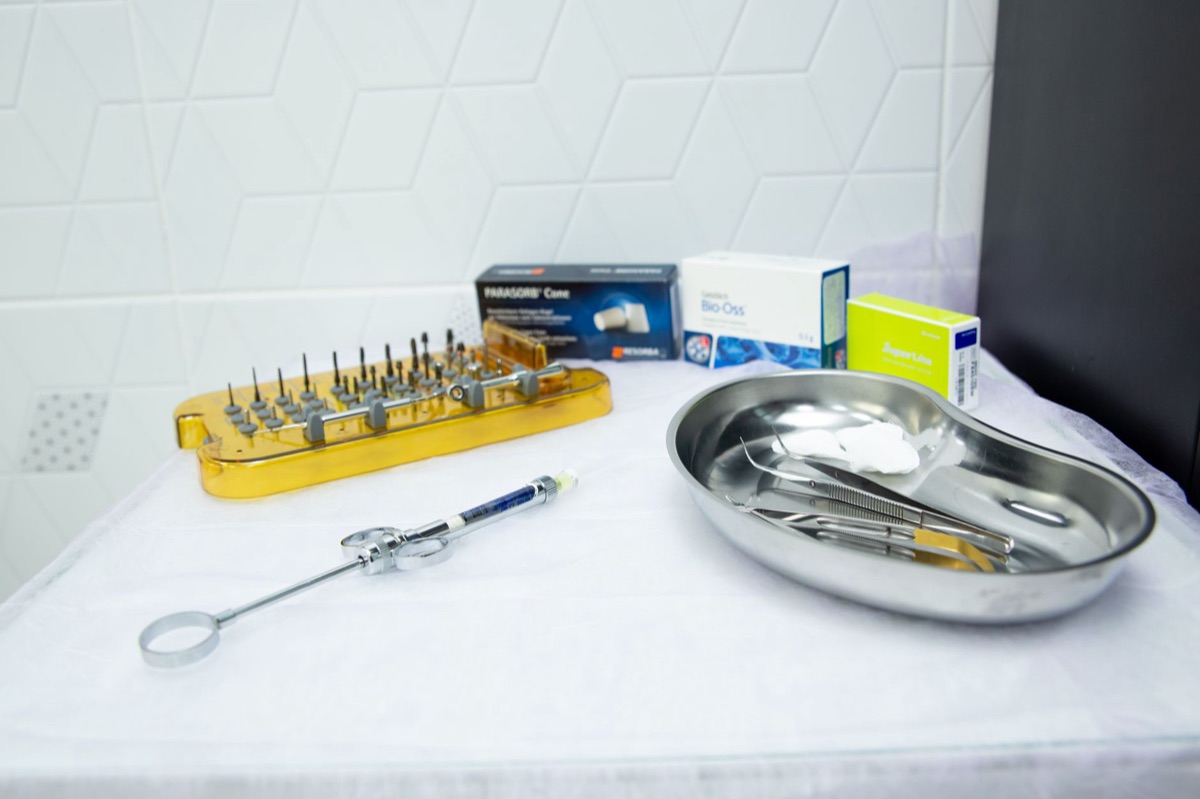
Why are the fasting guidelines so strict?
The clock on the wall ticks toward the scheduled time, and you realize you haven't had anything to eat since yesterday evening. You check your instructions one last time to ensure you aren't breaking a rule that could delay your procedure.
Fasting is a non-negotiable safety measure to prevent aspiration under anesthesia. Generally, you must avoid all food and drinks for 6 to 8 hours before your surgery.
While solid foods are strictly prohibited, some doctors allow clear liquids—such as water, plain broth, or gelatin—up to 2 hours before the procedure. However, you must confirm these specific limits with your anesthesiologist.
In certain specialized cases, such as obstetrics, specific medications are used to manage risks during the perioperative period.
For instance, "Tranexamic acid (1 g in 10-20 mL of saline or 10 mg/kg intravenous) is recommended prophylactically for patients at high risk of postpartum hemorrhage and can be considered in all patients".
To further mitigate risks, medical teams often prescribe anti-nausea medications, such as ondansetron, to help manage the side effects of anesthesia. But physical readiness is only half the battle; the other half is how you interact with your doctors.
How to prepare for surgery with the medical team?
You sit across from the surgeon, the smell of antiseptic in the air, and try to find the courage to ask about the "what ifs." It is easy to nod along in agreement, but true preparation requires active inquiry.
You should use your consultation time to clarify the specific risks of anesthesia, potential infections, or other complications. Addressing these concerns early helps manage expectations and reduces stress.
Medication management is a primary focus of these discussions. For example, you may be instructed to stop taking blood thinners, such as warfarin, approximately 5 days before your surgery to prevent excessive bleeding.
Even non-pharmacological approaches can play a role in your mental preparation. The International journal of nursing studies (2020) found that "aromatherapy could significantly ameliorate preoperative anxiety...
for adults awaiting surgical procedures, compared to placebo control, conventional care and no intervention".
Finally, ensure you have a clear understanding of your post-operative care. Ask about your expected recovery timeline, how your pain will be managed, and when you need to schedule follow-up appointments. Knowing what to expect can prevent a panic attack when you wake up in the recovery room.
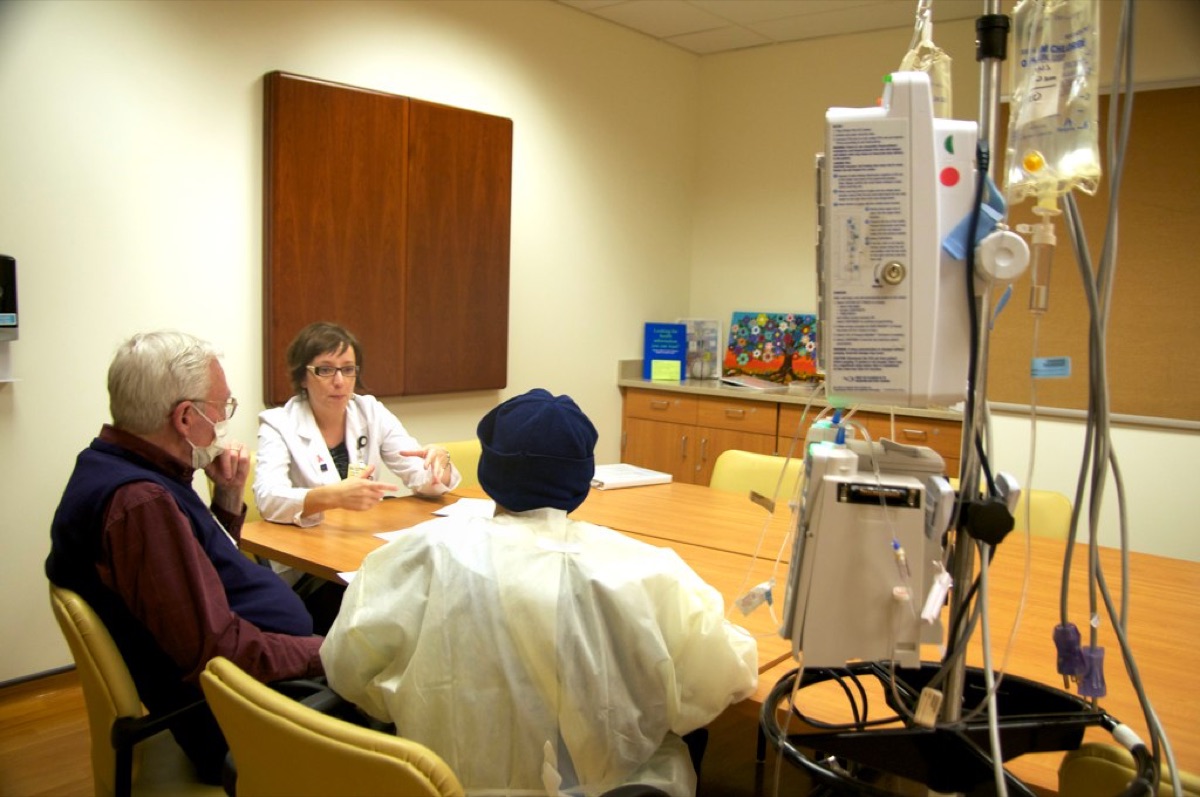
How can my surgery be made safer? The nurse enters the room with a small packet of antiseptic wipes, moving with a practiced, rhythmic efficiency. As she cleans your skin, you realize that even these small, repetitive actions are part of a rigorous scientific protocol.
According to the American journal of obstetrics & gynecology, 1 g of tranexamic acid in 10-20 mL of saline is recommended for high-risk patients in 2024. According to the International journal of nursing studies, aromatherapy can significantly reduce preoperative anxiety for adults in 2020.
Several clinical practices are used to minimize the risk of infection and complication. One of the most important is the use of antiseptic skin preparations. Research shows that "2% chlorhexidine significantly reduced the colonization of Staphylococcus aureus... S epidermidis...
and miscellaneous bacteria" compared to traditional hair shaving methods.
To manage the physiological and psychological stress of surgery, teams use various tools:
| Practice | Primary Benefit | Evidence Context |
|---|---|---|
| Chlorhexidine | Reduces bacterial colonization | Lower risk of surgical site infection |
| Aromatherapy | Ameliorates preoperative anxiety | Improved patient comfort |
| Tranexamic Acid | Prevents excessive bleeding | Recommended for high-risk hemorrhage |
In high-risk surgical scenarios, such as those involving significant blood loss, the administration of tranexamic acid is a recognized prophylactic measure.
What steps ensure a safe surgery plan?
The surgical team gathers in a quiet huddle, reviewing a digital chart and confirming details with a focused intensity. Every member of the team—from the surgeon to the anesthesiologist—must be in total alignment before the first incision is made.
To ensure you are doing everything possible for a safe outcome, follow this checklist:
- Complete the Preoperative Assessment: Ensure the team has your current weight, Body Mass Index (BMI), and vital signs to tailor anesthesia dosages.
- Follow Infection Control: Allow the staff to use antiseptics like chlorhexidine on the surgical site to minimize bacteria.
- Conduct a Medication Review: Double-check that all medications, especially anticoagulants, have been adjusted according to the surgical plan.
- Participate in the "Time-Out": Be present and alert during the final briefing to ensure the staff confirms the right patient, the right site, and the right procedure.
#







Comments 0